

Cannabis edibles can be safe for people with ulcers, but the answer depends heavily on the type of edible, the dose, and your current digestive health. Peptic ulcers are defined as open sores in the stomach lining or upper small intestine, and they require careful management of anything that enters the GI tract. The good news is that food does not cause ulcers. The primary culprits are Helicobacter pylori infection and NSAID use. That distinction matters because it shifts the question from “is this food safe?” to “how does this substance interact with an already-irritated gut lining?”
Can you eat edibles with an ulcer safely?
The short answer is yes, with conditions. Cannabinoids interact with the digestive system through CB1 and CB2 receptors, which are found throughout the gut lining and immune tissue. CB2 receptors, in particular, play a role in regulating gut inflammation. This means THC and CBD do not simply pass through your stomach like a piece of bread. They actively engage with the tissue that is already compromised in ulcer patients.
THC has documented effects on gastric acid secretion and gut motility. At low doses, it can reduce acid output and slow gut movement, which may ease cramping and discomfort. At higher doses, the picture gets more complicated. The effects of edibles on ulcer health vary by individual, and some patients experience significant symptom relief while others see their reflux worsen.
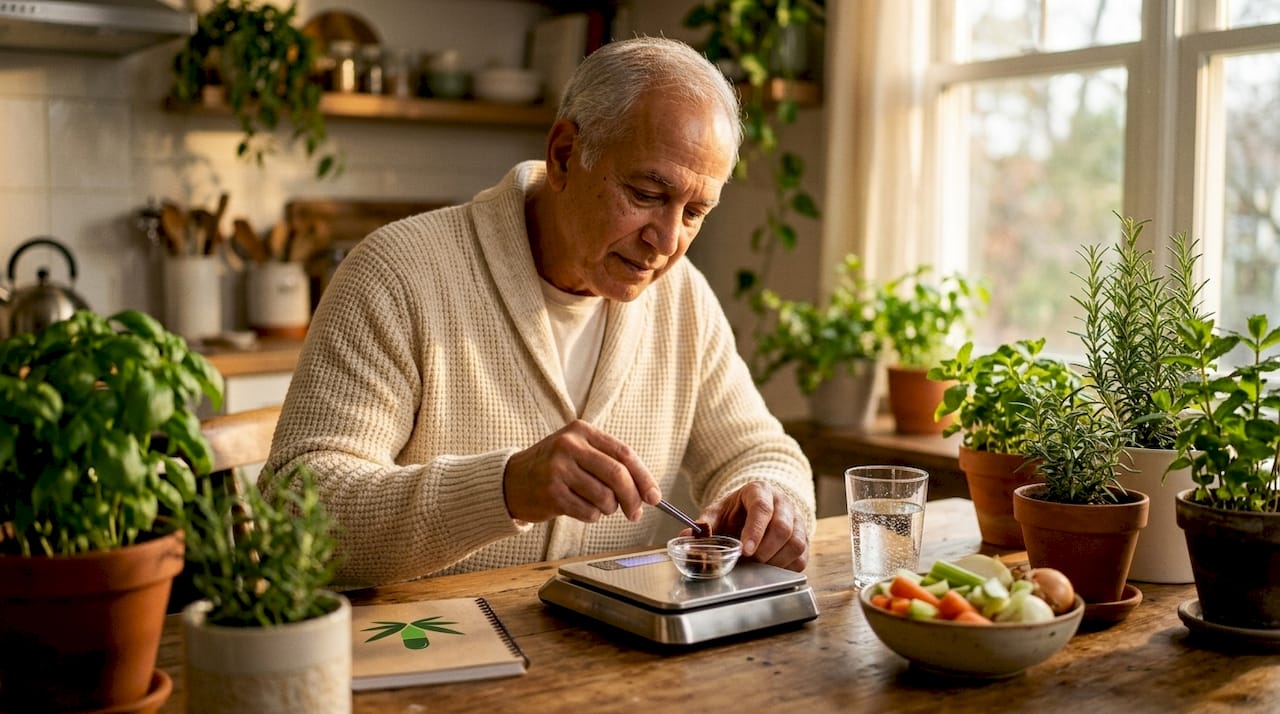
The key clinical insight here is dose. At 2.5–5 mg THC, the likelihood of GI irritation drops considerably. That range is where most ulcer patients should start and, in many cases, stay. Going beyond that threshold increases the risk of adverse effects without proportionally increasing benefit.
Cannabinoid hyperemesis syndrome (CHS) is a real risk for heavy, long-term cannabis users. CHS causes cyclical vomiting and severe nausea, which would be especially damaging for someone with an active ulcer. This is not a concern for occasional, low-dose users, but it is worth knowing before you commit to regular edible use.
How do edible ingredients affect ulcer symptoms?
The cannabinoids in edibles are not always the problem. The carrier ingredients often are. Butter, coconut oil, maltitol, and sorbitol are common in traditional edibles, and each one can trigger symptoms in a sensitive stomach.
Here is where most patients go wrong when eating cannabis with stomach issues:
- Consuming edibles on an empty stomach. An empty stomach has no buffer between the edible’s ingredients and the ulcer site. This significantly increases acid reflux and nausea risk.
- Choosing high-fat, oil-heavy edibles. Large amounts of fat slow gastric emptying and can increase pressure on the lower esophageal sphincter (LES).
- Taking too high a dose. THC relaxes the LES, which is the valve that keeps stomach acid from rising into the esophagus. A high dose amplifies this effect and makes reflux more likely.
- Not waiting long enough between doses. Traditional edibles take 60–120 minutes to kick in. Patients who redose too early often end up far above their intended dose.
- Ignoring sugar alcohol content. Ingredients like sorbitol and maltitol are laxatives at high amounts and cause bloating and cramping even in people without ulcers.
Pro Tip: Read the ingredient label on any edible before you buy it. If you see sorbitol, maltitol, or coconut oil listed in the first three ingredients, choose a different product.
The timing and composition of what you eat alongside an edible also matters. Pairing edibles with avocado or yogurt about 30 minutes before consumption buffers the stomach lining and improves cannabinoid absorption. This is not just a comfort measure. It actively reduces the irritation risk.
What are safer edible options for people with ulcers?
Not all edibles are created equal, and the formulation you choose makes a real difference for GI-sensitive patients.
Nano-emulsified and water-soluble edibles
Nano-emulsified THC bypasses the liver’s first-pass metabolism and absorbs directly through the gut wall. This increases bioavailability significantly and produces onset in 10–20 minutes rather than the 60–120 minutes of traditional oil-based edibles. Faster onset means you know sooner how your body is responding, which reduces the temptation to redose prematurely.
Water-soluble edibles also tend to use fewer heavy carrier oils. That directly reduces the LES-relaxing effect and lowers reflux risk. For anyone managing ulcers and marijuana edibles together, this formulation category is the better starting point.
Dosing and timing strategies
| Approach | Why it helps for ulcer patients |
|---|---|
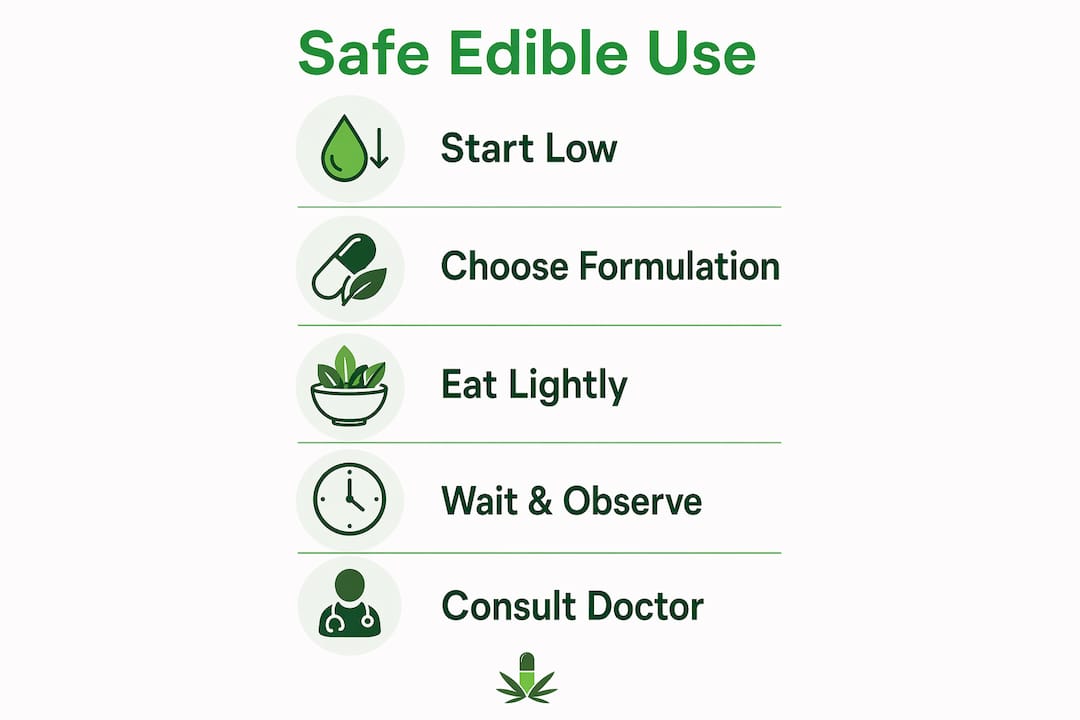
| Start at 2.5–5 mg THC | Minimizes acid secretion disruption and LES relaxation |
| Wait 90 minutes before redosing | Prevents accidental overdose from slow-absorbing traditional edibles |
| Eat a light snack 30 minutes before | Buffers stomach lining and improves absorption |
| Choose water-soluble formats | Faster onset, lower fat load, more predictable dosing |
| Avoid edibles with sugar alcohols | Prevents bloating, cramping, and diarrhea in sensitive GI tracts |
Pro Tip: If you are new to edibles and have an active ulcer, start with a CBD-dominant product before adding THC. CBD does not relax the LES the way THC does, making it a gentler entry point for GI-sensitive patients.
Medical guidance consistently recommends starting low, going slow, and waiting at least 90 minutes between doses. This is especially true for ulcer patients, whose gut lining is already compromised and more reactive to both cannabinoids and carrier ingredients.
The goal is not to eliminate all risk. The goal is to make informed choices that keep your symptoms manageable while you explore whether cannabis edibles offer you genuine relief.
How does medical cannabis certification support safe edible use?
Getting certified for medical cannabis in Virginia is not just a legal formality. It is a clinical checkpoint that connects you with professional guidance on dosing, product selection, and monitoring.
Here is what certification provides for ulcer patients specifically:
- Access to regulated products. Virginia’s medical cannabis program requires dispensaries to test and label products accurately. You know exactly what dose you are getting, which is critical when managing GI sensitivity.
- Professional dosing guidance. A certifying provider can review your current medications, including NSAIDs or proton pump inhibitors, and advise on interactions before you start.
- Legal protection. Certified patients in Virginia have legal access to medical cannabis dispensaries, where staff are trained to discuss product formulations and help you choose lower-irritant options.
- Ongoing monitoring. Certification creates a clinical relationship. If your symptoms worsen, you have a provider to contact rather than guessing on your own.
Virginia residents can get certified online through a straightforward process. The evaluation takes about 10 minutes and does not require an in-person visit. For patients already managing a chronic condition like a peptic ulcer, that accessibility matters.
Certification also gives you a clearer framework for discussing cannabis with your gastroenterologist. Showing up with a documented certification and a specific product in mind is a very different conversation than asking vaguely whether “weed is okay.”
Key Takeaways
Cannabis edibles are not automatically off-limits for ulcer patients, but dose, formulation, and timing determine whether the experience helps or harms.
| Point | Details |
|---|---|
| Ulcer causes are not dietary | H. pylori and NSAIDs cause ulcers; food and cannabis do not trigger them directly. |
| Low THC doses reduce GI risk | Starting at 2.5–5 mg THC significantly lowers the chance of acid irritation. |
| Carrier ingredients matter | Sorbitol, maltitol, and heavy oils in traditional edibles often cause more distress than cannabinoids. |
| Nano-emulsified edibles are safer | Water-soluble formats absorb faster, use fewer irritating oils, and allow more accurate dosing. |
| Certification adds clinical support | Virginia medical cannabis certification connects patients with regulated products and professional guidance. |
What I have learned about ulcers and edibles after years of patient conversations
The most common mistake I see is patients assuming that because edibles are “natural” or “plant-based,” they are automatically gentle on the stomach. They are not. The delivery format matters as much as the cannabinoid itself.
The second mistake is treating cannabis as a replacement for treating the actual ulcer. If you have an active H. pylori infection, no amount of careful edible use will heal that sore. Cannabis may reduce your pain perception and ease nausea, but it does not address the bacterial infection or the NSAID damage underneath. Patients who use cannabis to mask symptoms sometimes delay getting the antibiotic treatment they actually need.
What I find genuinely promising is the CB2 receptor research. The gut has a significant endocannabinoid system presence, and there is real biological logic to the idea that cannabinoids could reduce gut inflammation. But the clinical evidence is still catching up to the theory. Right now, the most honest advice is: proceed carefully, track your symptoms, and keep your gastroenterologist in the loop.
The patients who do best with edibles and ulcers are the ones who treat it like a clinical experiment. They start low, document their response, adjust slowly, and stop if things get worse. That disciplined approach is far more effective than chasing a dose that “works for someone else.”
— Jonathan
Medical cannabis certification for Virginia patients with digestive concerns
If you are a Virginia resident considering cannabis edibles for ulcer-related symptoms, getting certified is the right first step.
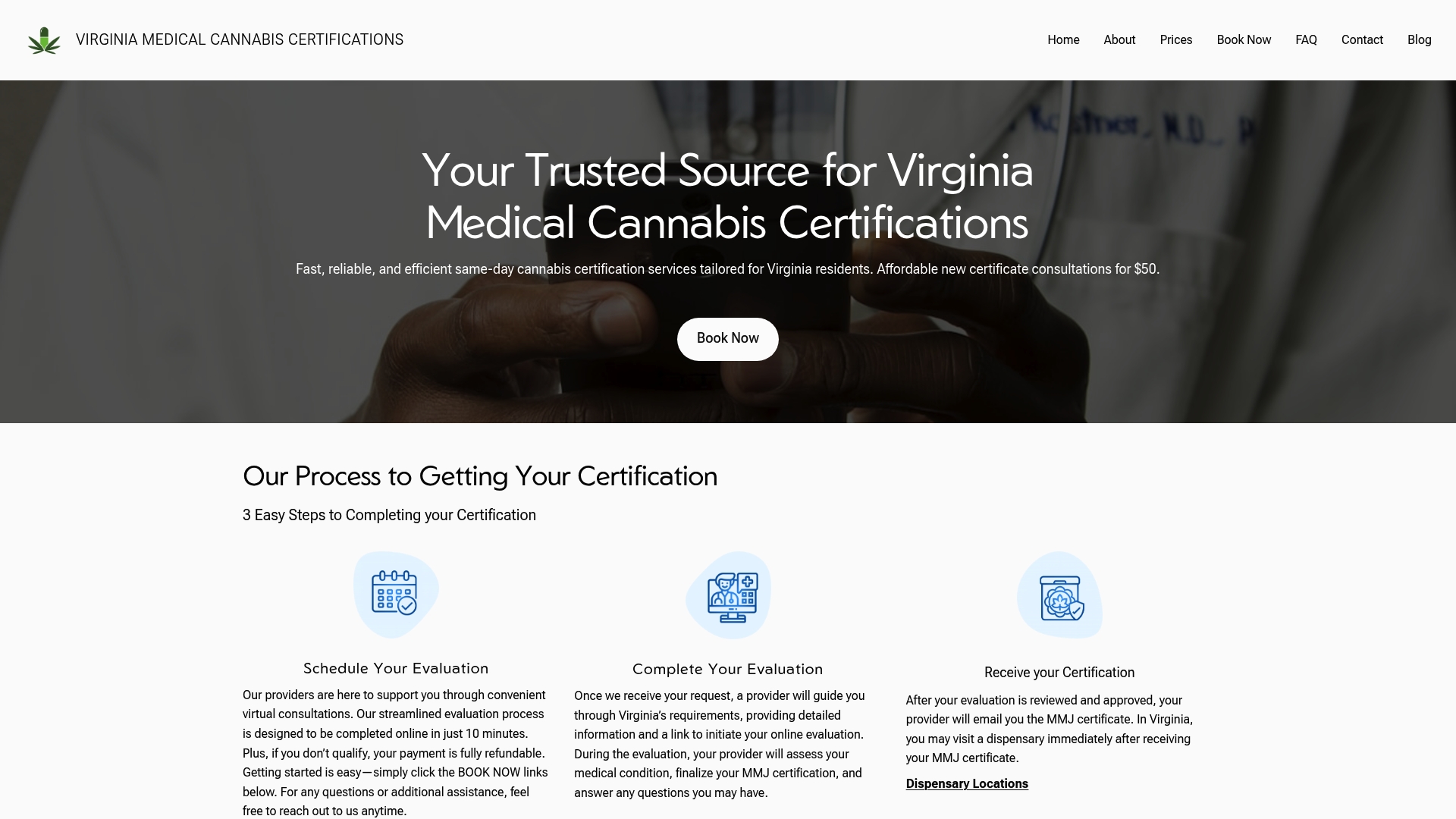
Virginia Medical Cannabis Certifications offers same-day online evaluations for $50, completed in about 10 minutes from your phone or computer. The fee is fully refundable if you do not qualify, so there is no financial risk in finding out. Certified patients gain access to Virginia’s regulated dispensary network, where trained staff can guide you toward lower-irritant formulations suited to GI-sensitive patients. You also get a clinical record that supports an open conversation with your gastroenterologist. Visit Virginia Medical Cannabis Certifications to start your evaluation today and get the professional guidance your digestive health deserves.
FAQ
Can you eat edibles with an active stomach ulcer?
Yes, but with caution. Start at 2.5–5 mg THC, choose water-soluble formulations, and always eat a light snack beforehand to buffer the stomach lining.
Are edibles safer than smoking cannabis for ulcer patients?
Edibles avoid the respiratory irritation of smoking, but they carry their own GI risks through carrier ingredients and LES relaxation from THC. Neither method is risk-free for ulcer patients.
Do cannabis edibles heal ulcers?
No. Cannabis edibles do not treat the root causes of peptic ulcers, which are H. pylori infection and NSAID use. They may reduce pain and nausea, but they do not replace medical treatment.
What edible ingredients should ulcer patients avoid?
Avoid edibles containing sorbitol, maltitol, large amounts of coconut oil, or butter as primary carrier ingredients. These common edible additives cause bloating, cramping, and increased acid irritation in sensitive stomachs.
How do I get a medical cannabis certification in Virginia for digestive issues?
Virginia residents can complete the certification process online in about 10 minutes through Virginia Medical Cannabis Certifications for $50, with a full refund if you do not qualify.