THCA headaches are defined as head pain triggered by consuming tetrahydrocannabinolic acid, most often because heat converts THCA into psychoactive Delta-9 THC during inhalation or cooking. THCA itself is non-intoxicating in its raw form, but the moment you apply heat, decarboxylation activates THC and its full range of physiological effects. Those effects include blood pressure shifts, anxiety, and dehydration, all of which are recognized headache triggers. Understanding why this conversion happens, and how your dosage and consumption method factor in, gives you real control over whether cannabis helps or hurts your head.
In Virginia? Get your medical cannabis card online today.
$50 new certification ($40 renewal), same-day telehealth visit with a licensed provider. No office visit needed.
Book your visitHow does THCA convert to THC and cause headaches?
THCA is the acidic precursor to THC found in raw cannabis. Its molecular structure includes an extra carboxyl group that prevents it from binding strongly to CB1 receptors in the brain. When you heat THCA through smoking, vaping, or cooking, that carboxyl group breaks off in a process called decarboxylation, and the compound becomes Delta-9 THC.
That conversion matters because THC’s psychoactive effects are directly linked to headache triggers. THC can cause temporary drops in blood pressure, which reduce blood flow to the brain. It can also elevate anxiety in sensitive individuals, and both of these responses are well-established pathways to head pain.
Side effects from THC, including headaches, are dose-dependent and last 2–8 hours. That range is wide because individual sensitivity varies significantly based on body weight, tolerance, and endocannabinoid system baseline. A dose that causes no issues for one person can trigger a throbbing headache in another.
- Decarboxylation converts THCA to THC when exposed to heat above roughly 220°F
- Blood pressure drops from THC reduce cerebral blood flow, a direct headache mechanism
- Anxiety responses to THC activate the sympathetic nervous system, which tightens scalp and neck muscles
- Individual sensitivity to THC varies widely, making dose prediction difficult without personal tracking
Pro Tip: If you are new to THCA products, avoid smoking or vaping on an empty stomach. Food slows THC absorption and reduces the blood pressure drop that often triggers headaches.
What consumption methods and dosages affect headache risk?
Not all THCA products carry the same headache risk. The method you choose determines how fast THC enters your bloodstream, how high the peak concentration gets, and how long effects last. Each of those variables influences whether you end up with relief or a headache.
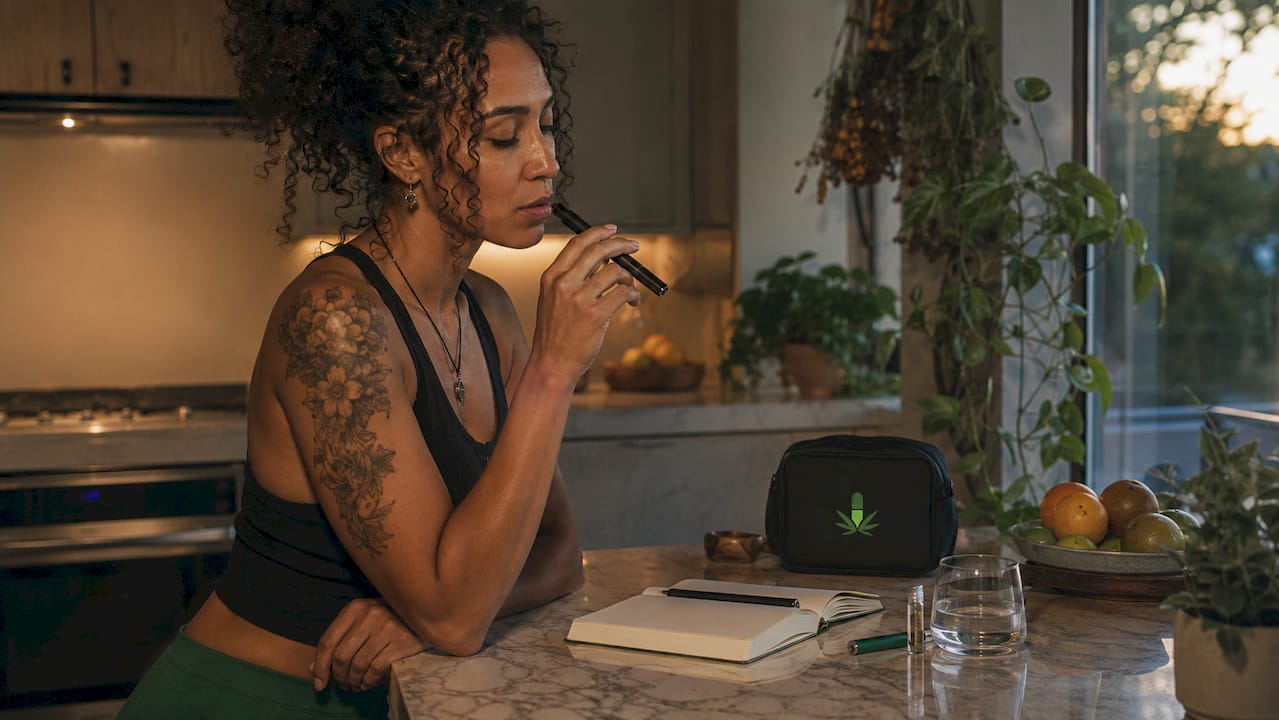
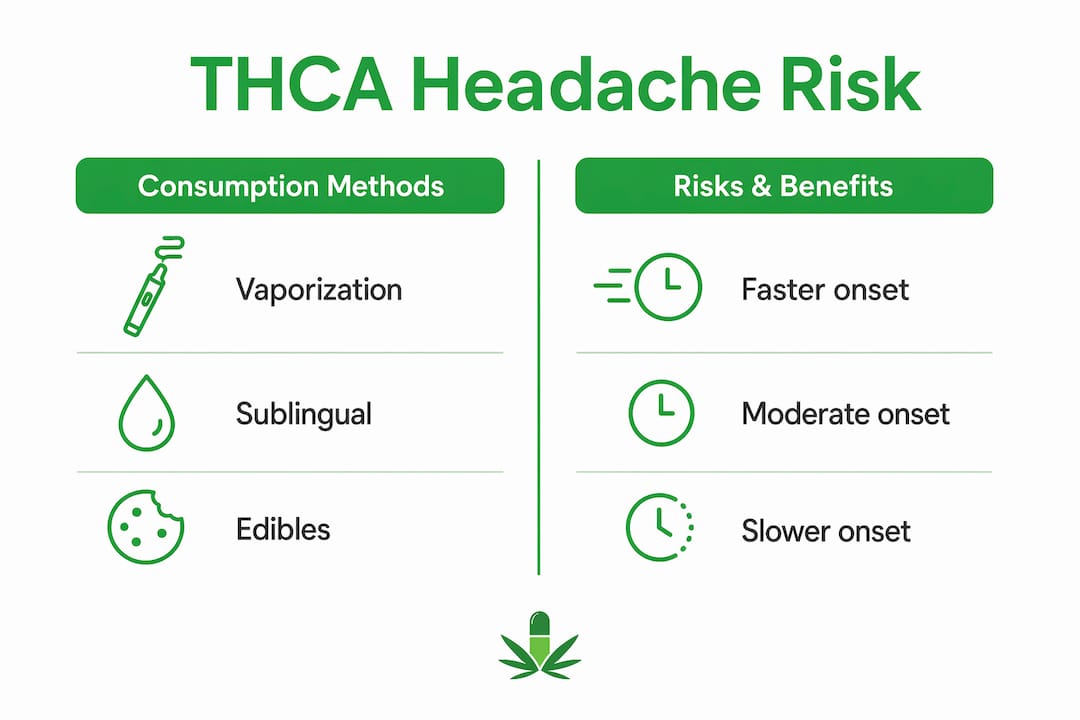
Acute migraine relief strategies include vaporization for fast onset, sublingual tinctures for moderate onset, and edibles for slow, steady dosing. Vaporization delivers THC to the bloodstream within minutes, which means the peak is sharp and the risk of overshooting your tolerance is higher. Edibles take 45–90 minutes to kick in but produce a more gradual rise in blood THC levels, which many patients find easier to manage.
| Method | Onset time | Headache risk | Best for |
|---|---|---|---|
| Vaporization | 2–10 minutes | Higher (sharp peak, dehydration risk) | Acute migraine relief |
| Sublingual tincture | 15–45 minutes | Moderate | Balanced onset and control |
| Edibles | 45–90 minutes | Lower (gradual rise) | Preventive dosing |
| Raw THCA (no heat) | N/A | Lowest (no THC conversion) | Anti-inflammatory support only |
Clinical recommendations for starting doses place the safe entry point between 1mg and 2.5mg THC. Starting at that range prevents adverse reactions while still delivering therapeutic benefit. Many patients make the mistake of doubling their dose when they feel nothing after 30 minutes, which is exactly when edible-related headaches occur.
Vape pens with cutting agents like propylene glycol or diethylene glycol cause headaches through dehydration and low-level toxicity, separate from any cannabinoid effect. This means a headache after vaping is not always a THCA reaction. It may be a product quality problem.
Pro Tip: When choosing a vape product, look for lab-tested, solvent-free options with a published certificate of analysis. Cutting agents are the most overlooked cause of cannabis-related headaches.
What other factors contribute to THCA-related headaches?
Many patients assume the cannabinoid is always responsible when a headache follows cannabis use. The reality is more layered. Headaches attributed to THCA often stem from vaporization methods causing dehydration or irritation rather than from the compound itself.
Dehydration is the most common non-cannabinoid trigger. Cannabis reduces saliva production and can suppress the thirst response, so patients who do not drink water before and after use are at higher risk. Stress and poor sleep compound the problem because both lower your headache threshold before you even consume anything.
Strain sensitivity also plays a role. High-THC strains with low CBD content produce stronger psychoactive effects and a less buffered blood pressure response. The endocannabinoid system modulates migraine pain through cannabinoid receptor pathways, and imbalanced ratios of THC to CBD can trigger rebound headaches or excessive sedation. Strains with terpenes like linalool and beta-caryophyllene tend to produce calmer effects and are associated with lower headache rates among sensitive patients.
- Dehydration from cannabis-suppressed thirst is the most underestimated headache trigger
- Poor sleep before cannabis use lowers your headache threshold significantly
- High-THC, low-CBD strains produce sharper blood pressure drops and more anxiety
- Contaminants in low-quality products cause headaches through toxicity, not cannabinoid action
- Stress and muscle tension in the neck and scalp amplify any cannabis-related head pain
Keeping a headache diary that tracks cannabis use, hydration, sleep, diet, and headache timing is a key tool for identifying your true triggers. Most patients who do this for two weeks discover that their headaches correlate more with hydration and sleep than with THCA itself. That distinction changes everything about how you manage the problem.
How can you safely use THCA for headache and migraine relief?
THCA and its converted form THC do have real therapeutic potential for head pain. A 2026 randomized controlled trial showed that vaporized cannabis with 6% THC and 11% CBD relieved migraine pain in 67.2% of cases within 2 hours, with effects sustained up to 48 hours. That is a meaningful result across 247 migraine attacks in 92 participants, and it points to a specific cannabinoid ratio rather than maximum THC content.
The key principle is starting low and adjusting slowly. Follow these steps to reduce your headache risk while pursuing relief:
- Start at 1–2.5mg THC. Clinical guidance places this as the safe entry dose. Wait a full 2 hours before considering any increase, especially with edibles.
- Choose a balanced cannabinoid ratio. A 1:1 or 2:1 THC to CBD ratio is recommended for migraine management. CBD buffers THC’s blood pressure effects and reduces anxiety.
- Hydrate before and after. Drink at least 8 ounces of water before consuming any THCA product. Keep water nearby during use.
- Select high-quality, lab-tested products. Avoid vape products without a published certificate of analysis. Contaminants are a direct headache cause, not a theoretical risk.
- Match your method to your goal. Use vaporization for acute migraine relief when fast onset matters. Use oral dosing for prevention when you want steady, predictable blood levels without sharp peaks.
- Track your results. A headache diary covering cannabis type, dose, method, hydration, and sleep gives you data to refine your approach over time.
No FDA-approved cannabis product for headache treatment currently exists. That means higher doses carry higher side effect rates without a guaranteed increase in benefit. Consulting a healthcare provider before starting cannabis therapy is the most reliable way to set a safe, personalized dose.
Pro Tip: If you experience a headache after cannabis use, drink 16 ounces of water, rest in a dark room, and avoid redosing. Redosing to “fix” a cannabis headache almost always makes it worse.
Key Takeaways
THCA headaches are caused primarily by THC conversion during heating, not by THCA itself, and managing dose, method, and hydration resolves most cases.
| Point | Details |
|---|---|
| THCA converts to THC with heat | Decarboxylation activates psychoactive effects that trigger blood pressure drops and headaches. |
| Start at 1–2.5mg THC | Clinical guidance recommends this entry dose to minimize side effects while maintaining relief. |
| Balanced ratios reduce risk | A 1:1 or 2:1 THC to CBD ratio buffers THC’s headache-triggering effects on blood pressure. |
| Product quality matters | Vape cutting agents like propylene glycol cause headaches independently of cannabinoid content. |
| Tracking reveals true triggers | A headache diary separates THCA reactions from dehydration, sleep, and diet factors. |
What I have learned from watching patients manage THCA headaches
Most patients who come to me frustrated about cannabis headaches have one thing in common: they skipped the basics. They bought a high-THC vape, took three hits, drank no water, and then blamed THCA when their head started pounding an hour later.
The compound is rarely the villain. The method, the dose, and the lifestyle context around the dose are almost always the real problem. I have seen patients switch from a high-THC vape to a balanced tincture, add a glass of water to their routine, and eliminate their cannabis headaches entirely within a week. No new product. No expensive fix. Just better habits.
What I find underused is the headache diary. Patients resist it because it feels clinical, but two weeks of tracking cannabis type, dose, hydration, sleep, and headache timing produces more useful information than any lab test. You start to see patterns that are invisible without data. That knowledge is what lets you use cannabis for pain without creating new problems.
My honest advice: treat your first month with THCA products as a calibration period. Keep doses low, stay hydrated, choose lab-tested products, and write things down. The patients who do this consistently are the ones who find real relief.
— Jonathan
Getting certified to use cannabis safely in Virginia
Virginia residents exploring cannabis for headache and migraine management have a clear legal pathway available to them.
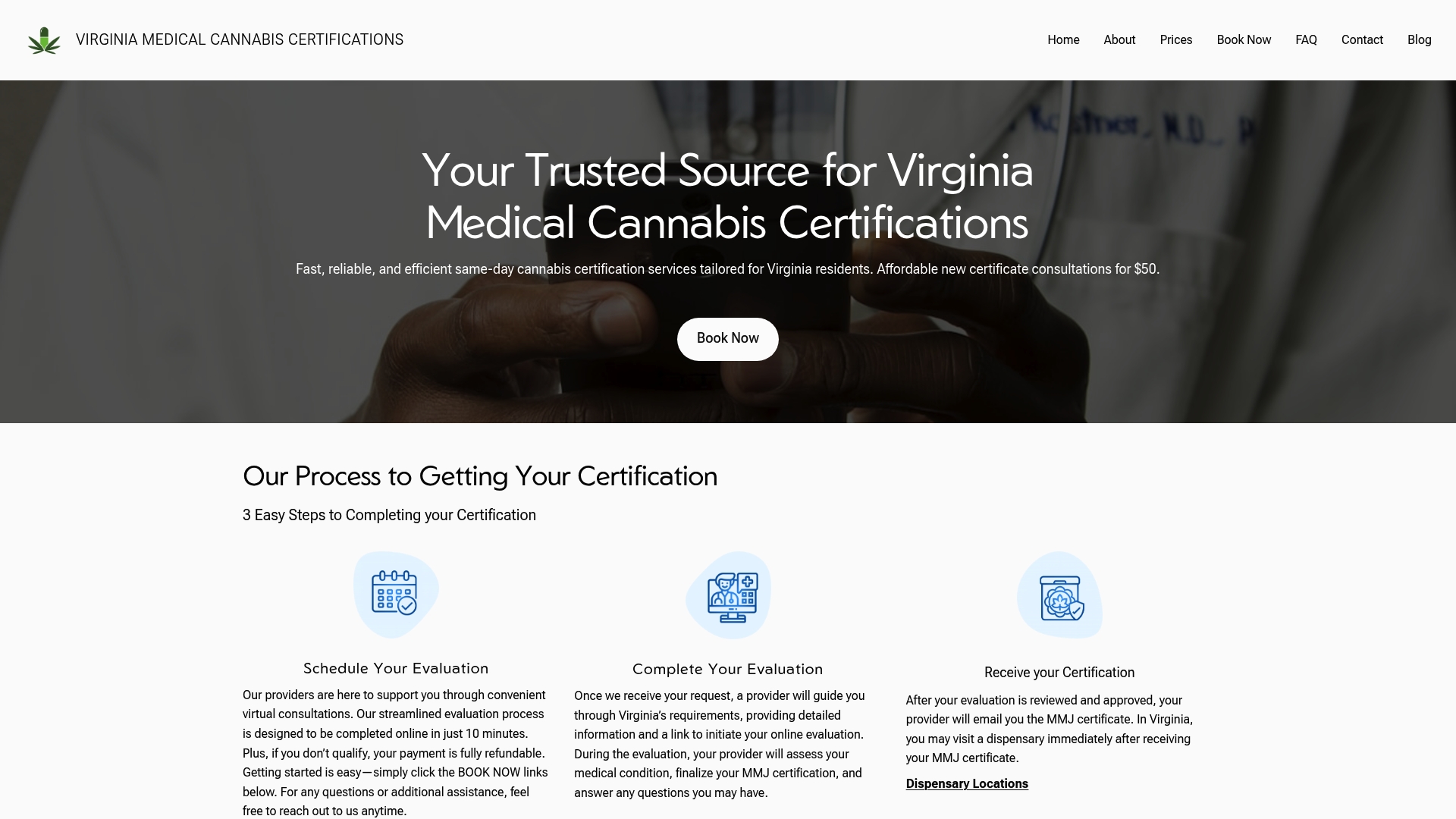
Virginia Medical Cannabis Certifications offers same-day online consultations for $50, completed in about 10 minutes from your home. The process is fully refundable if you do not qualify, so there is no financial risk in finding out whether you are eligible. Certified patients gain access to licensed dispensaries where staff can guide you toward lab-tested products with the cannabinoid ratios most appropriate for headache relief. Getting your medical cannabis certification through an official pathway means you are buying from regulated sources, not unverified products that carry contaminant risks. That single step removes one of the most common causes of cannabis-related headaches before you even start.
FAQ
What causes THCA headaches?
THCA headaches are caused primarily by the conversion of THCA into Delta-9 THC during heating, which triggers blood pressure drops, anxiety, and dehydration. Product contaminants in low-quality vapes are also a direct cause, separate from cannabinoid effects.
Can THCA help relieve migraines instead of causing them?
Yes. A 2026 randomized controlled trial found that vaporized cannabis with 6% THC and 11% CBD relieved migraine pain in 67.2% of cases within 2 hours. The key is using a balanced cannabinoid ratio at a low starting dose.
What is the safest starting dose to avoid THCA-related headaches?
Clinical guidance recommends starting between 1mg and 2.5mg THC to minimize side effects while maintaining therapeutic benefit. Waiting at least 2 hours before increasing your dose prevents the most common cause of cannabis headaches.
Does raw THCA cause headaches?
Raw THCA without heat exposure does not convert to THC, so it carries the lowest headache risk of any consumption method. Headache risk rises sharply once heat is applied and decarboxylation occurs.
How do I know if my headache is from THCA or something else?
Keep a headache diary tracking your cannabis type, dose, hydration, sleep, and meal timing for at least two weeks. Most patients discover their headaches correlate more strongly with dehydration or poor sleep than with THCA itself.
Recommended
- Weed for TMJ: Relief, Research, and Real Results – Virginia Medical Cannabis Certifications
- CBC vs CBG: Key Differences and Benefits Explained – Virginia Medical Cannabis Certifications
- Top 4 Best Edibles for Parkinson’s Providers 2026 – Virginia Medical Cannabis Certifications
- Can Edibles Cause Gastritis? What You Need to Know – Virginia Medical Cannabis Certifications
In Virginia? Get your medical cannabis card online today.
$50 new certification ($40 renewal), same-day telehealth visit with a licensed provider. No office visit needed.
Book your visit