
Cannabis edibles do not cause gout. Gout is defined as a condition where uric acid crystals deposit in joints, causing sudden, severe pain and inflammation. The Mayo Clinic and Cleveland Clinic both confirm that the primary drivers of gout are diet, metabolism, and kidney function, not cannabis use. If you have gout and you’re wondering whether edibles are making things worse, the short answer is no. But there are still important things to understand about how cannabis interacts with your body and your gout medications.
Can edibles cause gout? The direct answer
No clinical evidence exists that cannabis edibles directly cause gout. Gout develops when the body produces too much uric acid or fails to eliminate it efficiently, leading to crystal buildup in joints like the big toe, ankle, or knee. Cannabis does not raise uric acid levels. It does not interfere with the kidneys’ ability to filter uric acid. The confusion likely comes from the fact that some edibles contain ingredients like high-fructose corn syrup, which is a known gout trigger, but that is a food ingredient issue, not a cannabis issue.
Gout and cannabis edibles are often discussed together because patients managing chronic pain look for alternatives to prescription drugs. That curiosity is valid. The key is understanding what actually triggers gout before drawing conclusions about edibles.

What causes gout and why diet matters
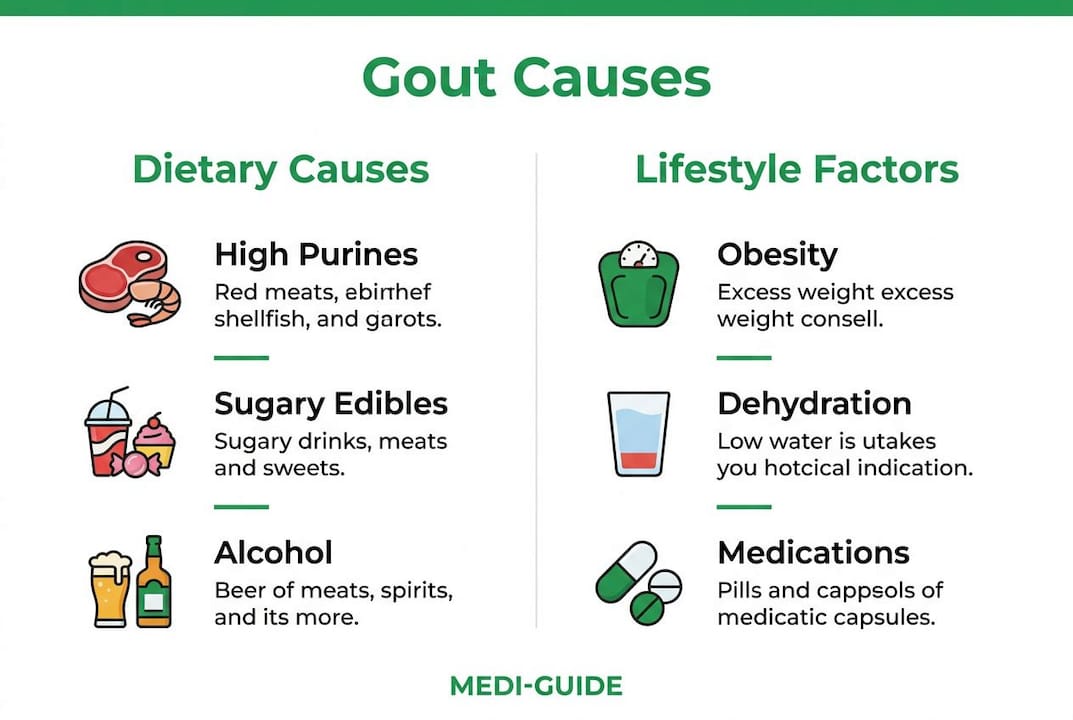
Gout results from a buildup of uric acid in the blood, a condition called hyperuricemia. The body produces uric acid when it breaks down purines, which are natural compounds found in many foods. When uric acid levels get too high, crystals form and settle in joints.
High-purine foods are the most direct dietary trigger. These include organ meats like liver and kidney, certain seafood such as anchovies and sardines, alcohol (especially beer), and products sweetened with high-fructose corn syrup. The kidneys normally filter uric acid out of the blood, but when production outpaces elimination, levels rise and crystals form.
| Food category | Purine level | Gout risk |
|---|---|---|
| Organ meats (liver, kidney) | Very high | High |
| Anchovies, sardines, mussels | High | High |
| Beer and spirits | High | High |
| Red meat (beef, pork) | Moderate | Moderate |
| Legumes (lentils, beans) | Low to moderate | Low |
| Dairy (low-fat) | Very low | Protective |
| Vegetables | Very low | Minimal |
Lifestyle factors compound the risk. Obesity, dehydration, and certain medications like diuretics all reduce the kidneys’ ability to clear uric acid. Diet alone usually cannot eliminate gout, but it is one of the most effective tools for reducing flare frequency when combined with medication.
Do edibles trigger gout flares or help with symptoms?
The effects of edibles on gout are not what most people expect. Cannabinoids, the active compounds in cannabis, do not raise uric acid. They do not cause the metabolic conditions that lead to crystal formation. What the research does show is that cannabinoids possess anti-inflammatory properties that may actually help reduce the pain and swelling associated with a gout flare.
Here is what the current evidence suggests about cannabis use and gout:
- No uric acid increase: Cannabis does not elevate uric acid levels or worsen kidney filtration.
- Anti-inflammatory potential: Cannabinoids like CBD interact with inflammation pathways, which are the same pathways activated during a gout attack.
- Pain modulation: THC and CBD both affect pain signaling, which may offer short-term relief during acute flares.
- No gout-specific trials: Clinical trials targeting gout inflammation with CBD specifically are lacking. Most evidence comes from animal studies or broader pain research.
- Ingredient caution: Some commercial edibles contain high-fructose corn syrup or alcohol-based flavorings. These ingredients, not the cannabis itself, can trigger a flare.
Pro Tip: Read the ingredient label on any edible before consuming it. If it contains high-fructose corn syrup, choose a different product. The cannabis is not the problem. The sweetener might be.
The distinction matters. Gout patients who dismiss edibles entirely based on a misunderstanding may be avoiding something that could help with pain. Patients who assume edibles are a cure are setting themselves up for disappointment. The reality sits in between.
How cannabis edibles interact with gout medications
This is the section that most articles skip, and it is the most clinically important one. CBD inhibits liver CYP450 enzymes, which are responsible for metabolizing a wide range of medications. Two of the most common gout drugs, allopurinol and colchicine, are processed through these same liver pathways. When CBD slows down enzyme activity, drug concentrations in the blood can rise to levels that cause toxicity.
Colchicine toxicity is particularly serious. Symptoms include muscle weakness, nerve damage, and in severe cases, organ failure. Allopurinol at elevated concentrations can cause skin reactions and liver stress. These are not theoretical risks. They are documented interactions that require medical oversight.
Precautions to take before combining edibles with gout medications:
- Tell your doctor. Disclose cannabis use before starting or adjusting any gout medication. Your prescriber needs this information to set safe dosing.
- Start low. If your doctor approves cannabis use, begin with the lowest effective dose of CBD or THC to minimize enzyme inhibition.
- Monitor for side effects. Watch for unusual fatigue, muscle pain, or digestive changes, which may signal elevated drug levels.
- Avoid high-dose CBD products. Higher CBD concentrations increase the likelihood of significant CYP450 inhibition.
- Schedule regular check-ins. Periodic blood work can confirm that medication levels remain in a safe range.
Pro Tip: If you take colchicine, treat CBD the same way you would treat grapefruit. Both inhibit CYP450 enzymes. Your pharmacist can confirm the interaction risk for your specific medication regimen.
The interaction risk does not mean cannabis is off-limits for gout patients. It means cannabis use requires the same level of medical coordination as any other supplement or medication change.
How to safely use cannabis edibles alongside gout treatment
Cannabis edibles work best as a complement to standard gout care, not a replacement. Patients should never replace gout medications with cannabis products without direct physician supervision. The foundational treatment for gout, which includes urate-lowering therapy and anti-inflammatory drugs during flares, remains the standard of care. Edibles can play a supporting role in managing pain and discomfort.
Here is a practical approach for gout patients in Virginia considering edibles:
- Get a medical evaluation first. Confirm your gout diagnosis and current uric acid levels before adding any cannabis product. A baseline gives you and your doctor a reference point.
- Discuss your full medication list. Share every drug and supplement you take, including over-the-counter products. Your doctor can identify interaction risks before they become problems.
- Choose the right delivery method. Cannabis delivery methods affect the body differently. Topical CBD applied directly to an inflamed joint bypasses the liver entirely, reducing interaction risk. Oral edibles enter the bloodstream and interact with liver enzymes. Tinctures fall in between.
- Track your symptoms. Keep a simple log of flare frequency, pain levels, and any side effects after starting edibles. This data helps your doctor make informed adjustments.
- Maintain lifestyle changes. Reducing high-purine foods, staying hydrated, and limiting alcohol remain the most effective non-medication strategies for gout. Cannabis does not replace these habits.
- Review regularly. Gout management is not static. Revisit your cannabis use with your doctor every few months, especially if your medication doses change.
For patients with digestive concerns alongside gout, it is worth discussing how edibles affect the gut before committing to oral products. Some patients do better with topicals or tinctures for exactly this reason.
Key takeaways
Cannabis edibles do not cause gout, but they require careful use alongside gout medications due to CBD’s effect on liver enzymes that process drugs like colchicine and allopurinol.
| Point | Details |
|---|---|
| Edibles do not cause gout | No evidence links cannabis to elevated uric acid or gout flares. |
| Diet is the primary trigger | High-purine foods, alcohol, and high-fructose corn syrup drive uric acid levels. |
| CBD may interact with medications | CBD inhibits CYP450 enzymes, raising blood concentrations of colchicine and allopurinol. |
| Anti-inflammatory potential exists | Cannabinoids may reduce gout-related pain and inflammation, though gout-specific trials are limited. |
| Medical guidance is required | Always coordinate cannabis use with your prescribing physician before making changes. |
What I’ve learned from watching patients navigate this question
Patients ask me about edibles and gout more often than most people would expect. The question usually comes from a place of frustration. Gout is painful, the medications have side effects, and cannabis feels like a gentler option. I understand that reasoning completely.
What I’ve seen, though, is that the patients who do best are the ones who treat cannabis as one tool among many, not a shortcut. The evidence for cannabinoids reducing inflammation is real and worth taking seriously. The evidence that edibles replace allopurinol or colchicine simply does not exist. Patients who swap their medications for edibles without medical guidance often end up with worse flares and more joint damage over time.
The drug interaction piece is the part I wish more people knew about before they started. CBD and colchicine is a combination that deserves the same caution as grapefruit and statins. It is not a reason to avoid cannabis, but it is a reason to have a real conversation with your doctor first. Open communication with your care team changes outcomes. Patients who disclose their cannabis use get better-calibrated prescriptions. Patients who hide it create unnecessary risk.
For anyone in Virginia managing joint pain with cannabis, the path forward is informed and supervised, not experimental and solo.
— Jonathan
Getting certified for medical cannabis in Virginia
If you have gout and you want to explore cannabis as part of your symptom management plan, the first step is getting your medical cannabis certification done properly.
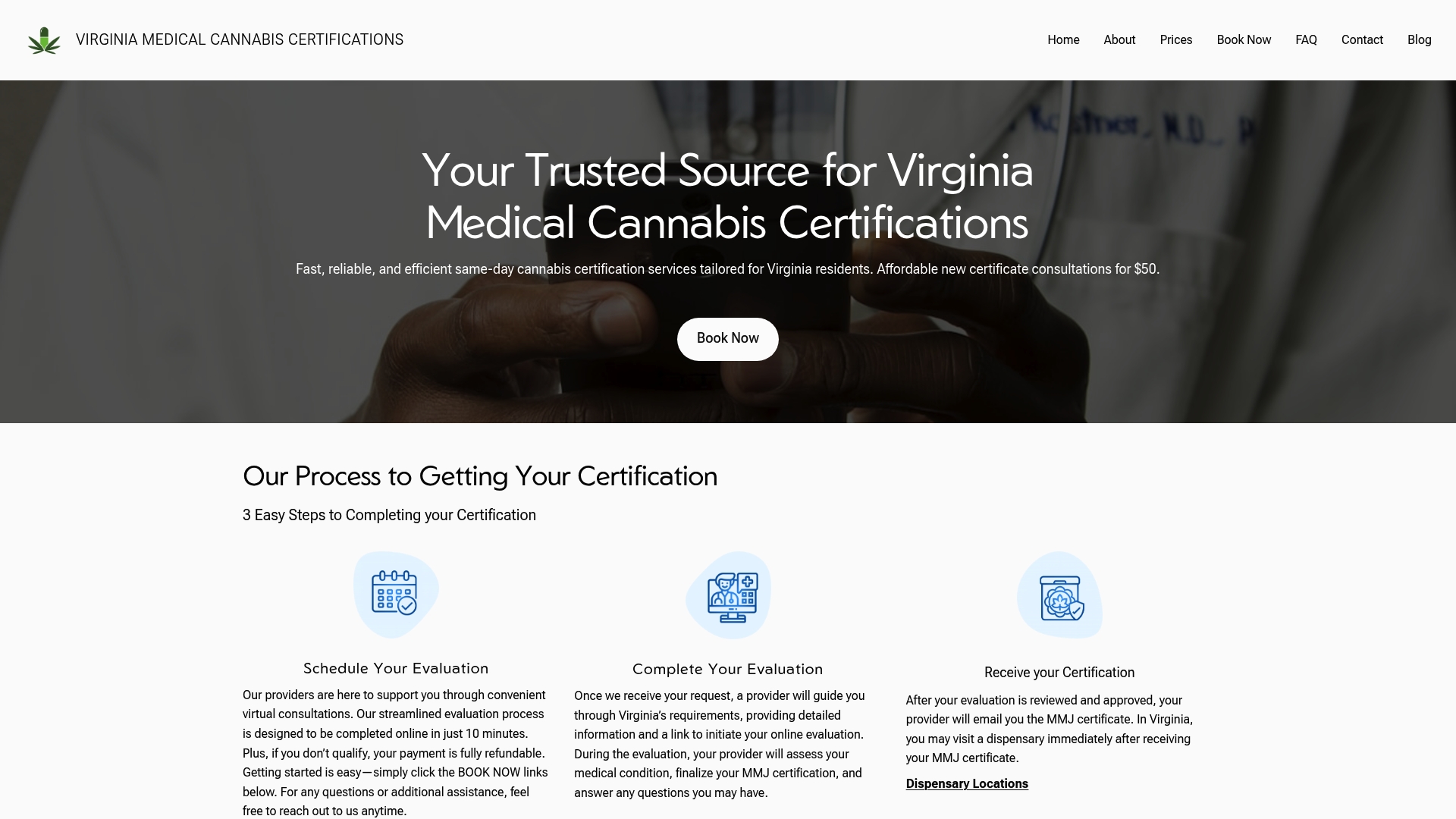
Virginia Medical Cannabis Certifications makes that process straightforward. For $50, you get a same-day online consultation that takes about 10 minutes. If you do not qualify, the fee is fully refunded. The certification process is designed for patients with chronic conditions like pain and inflammation, which gout qualifies as in many cases. Getting certified means you access cannabis legally, with medical oversight, and with the documentation your doctor needs to coordinate your care safely. Visit Virginia Medical Cannabis Certifications to get started today.
FAQ
Can edibles make a gout flare worse?
Cannabis edibles do not directly worsen gout flares. However, edibles containing high-fructose corn syrup can raise uric acid levels, so always check ingredient labels before consuming.
Do edibles raise uric acid levels?
Cannabis itself does not raise uric acid levels. The concern is with certain edible ingredients like high-fructose corn syrup, which is a documented gout trigger.
Is CBD safe to take with colchicine?
CBD inhibits the liver enzymes that process colchicine, which can raise drug levels to potentially toxic concentrations. Always consult your doctor before combining CBD with colchicine or allopurinol.
Can cannabis help with gout pain?
Cannabinoids have documented anti-inflammatory properties that may reduce gout-related pain and swelling. Clinical trials specific to gout are limited, so use cannabis for pain only with medical guidance.
What is the safest cannabis delivery method for gout patients?
Topical CBD applied directly to an inflamed joint carries the lowest risk of drug interactions because it does not enter the bloodstream in significant amounts. Oral edibles carry the highest interaction risk for patients on gout medications.
Recommended
- Can Edibles Cause Gastritis? What You Need to Know – Virginia Medical Cannabis Certifications
- Can You Eat Edibles With an Ulcer? Safe Use Guide – Virginia Medical Cannabis Certifications
- Can THC Cause Low Blood Sugar? What You Need to Know – Virginia Medical Cannabis Certifications
- Weed for TMJ: Relief, Research, and Real Results – Virginia Medical Cannabis Certifications