
Can cannabis worsen OCD symptoms?
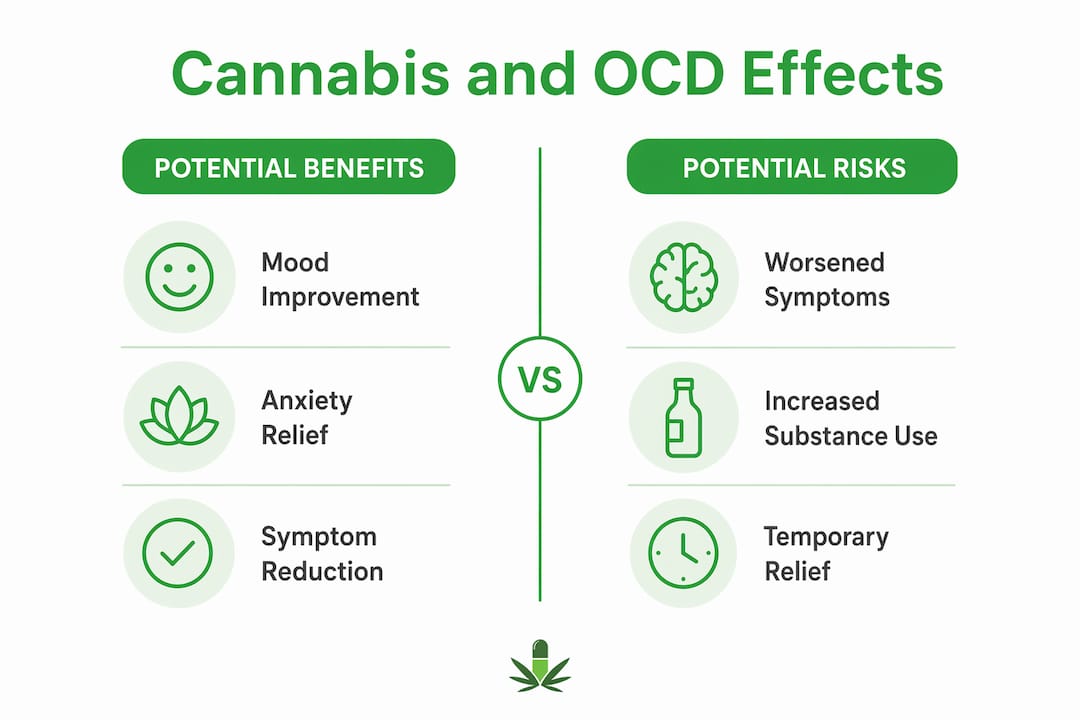
The short answer: it depends. Cannabis can both worsen and improve OCD symptoms, and the research makes clear there is no single outcome you can count on. Some people with OCD report real relief from obsessions and compulsions after using cannabis. Others find their anxiety spikes and their intrusive thoughts intensify. The lifetime comorbidity between OCD and cannabis use disorder sits at roughly 19%–20%, which tells you these two conditions frequently overlap in ways that deserve serious attention.
Key points to understand before you go further:
- Cannabis effects on OCD vary widely by individual, dose, strain, and frequency of use.
- Some patients report improvement in obsessions and compulsions; others report worsening anxiety.
- Cannabis use disorder was found in 42% of OCD patients who used cannabis in a large survey.
- Cannabis may delay access to proven therapies like Exposure and Response Prevention (ERP).
- Medical supervision matters significantly when considering cannabis for any psychiatric condition.
What does the research actually show?
The data on cannabis and OCD is genuinely mixed, and that complexity is worth understanding. In one large internet survey of OCD patients, most participants reported that cannabis improved their obsessions and compulsions. But a meaningful minority told a different story: 17.3% reported worsening obsessions and 13.8% reported worsening compulsions.
A separate clinical study found that only 10% of cannabis users reported improvement in OCD symptoms, while 23.3% reported an increase in anxiety. Those numbers sit side by side in the same dataset, which illustrates just how unpredictable the response can be.
42% of OCD patients in a large survey met criteria for cannabis use disorder, more than double the rate seen in the general population of lifetime cannabis users.
Short-term effects look more promising. One observational study found that inhaled cannabis reduced compulsions by 60% and intrusions by 49% immediately after use. Higher CBD concentrations and higher doses predicted larger reductions in compulsions. But here is the catch: baseline symptom severity stayed flat over time, and tolerance to the effects on intrusions appeared to develop with repeated use. No long-term benefit was observed.
Key research findings at a glance:
- In survey data, 10% of cannabis users reported improvement in OCD symptoms, while others reported worsening obsessions, compulsions, and anxiety.
- Acute inhalation reduced anxiety by 52% in one observational study.
- Tolerance to intrusion relief may develop, pushing patients toward higher use without lasting gains.
- Patients with more severe obsessions perceived fewer benefits from cannabis.
- The endocannabinoid system, along with serotonergic pathways, appears involved in OCD neurobiology, but the exact mechanisms remain under investigation.
A UK-based study of medical cannabis patients with OCD found substantial improvements in mood and anxiety after three months under medical supervision, with only 5.7% reporting adverse effects. That context matters: supervised, prescribed use looks different from unguided self-medication.
What clinical experts say about cannabis and OCD
Psychiatrists and psychologists who specialize in OCD are cautious, and for good reason. The field lacks large, randomized controlled trials that could definitively answer whether cannabis helps or harms OCD patients over time. The guiding principle many clinicians fall back on is “primum non nocere,” meaning first, do no harm, precisely because the evidence is still too thin to make confident treatment recommendations.

That framing captures a real clinical concern. Patients who find temporary relief through cannabis may feel less urgency to pursue ERP therapy or medication, both of which have strong evidence behind them. Research confirms that cannabis users with OCD are less likely to receive evidence-based OCD treatment, and the odds of receiving that treatment decrease as cannabis use frequency increases.
Clinicians also note that cannabis users with OCD tend to show higher rates of tobacco and alcohol use, suggesting a broader pattern of substance use that complicates treatment. The anxiety therapy community has raised similar concerns about cannabis interfering with the habituation process that makes ERP effective.
Risks and considerations before using cannabis for OCD
If you are thinking about cannabis as a way to manage OCD, these are the risks you need to weigh honestly.
- Cannabis use disorder: The 42% rate among OCD cannabis users is not a small risk. It is a clinical reality that warrants monitoring.
- Anxiety worsening: Nearly a quarter of clinical patients reported increased anxiety after cannabis use, which is the opposite of what most people with OCD are hoping for.
- Tolerance and escalation: Relief from intrusive thoughts may fade over time, leading to higher doses without better outcomes.
- Delayed treatment: Self-medicating with cannabis can push back the start of ERP or medication, prolonging the illness.
- Poly-substance use: Cannabis users with OCD show higher rates of alcohol and tobacco use, adding layers of health risk.
- Strain and THC/CBD ratio: High-THC products are more likely to increase anxiety. Higher CBD concentrations appear linked to better compulsion relief in short-term data.
Pro Tip: Before trying cannabis for OCD, track your symptoms for two to four weeks using a simple daily log. Note obsession frequency, compulsion time, and anxiety level. If you do try cannabis, continue the log so you can see objectively whether symptoms improve or worsen. Share this data with a mental health professional, ideally one familiar with cognitive behavioral therapy for OCD.
On the legal and ethical side, using cannabis without a medical certification in Virginia carries real consequences. Medical certification also gives you access to dispensary staff who can guide you toward appropriate products, dosing, and formulations.
How to access medical cannabis safely in Virginia
Virginia has a legal medical cannabis program that allows residents to obtain a certification from a licensed practitioner. That certification is your gateway to dispensary access, regulated products, and dosing guidance you simply cannot get from unregulated sources.
Safe access guidelines for Virginia residents with OCD:
- Get certified: A licensed practitioner must evaluate your condition and confirm you qualify under Virginia’s medical cannabis program.
- Choose regulated products: Dispensary products list THC and CBD content, so you can make informed choices about strain and potency.
- Start low, go slow: Begin with low doses and track your response before adjusting.
- Keep your mental health provider in the loop: Cannabis use can interact with SSRIs and other OCD medications, so your prescribing doctor needs to know.
- Do not replace ERP: Cannabis should never substitute for evidence-based therapy. Use it as a complement, not a replacement, and only under clinical guidance.
Virginia Medical Cannabis Certifications offers online certifications for Virginia residents, with same-day consultations that take about 10 minutes. New patients pay $50, renewals are $40, and the fee is fully refunded if you do not qualify.
What patients with OCD actually experience
Patient experiences with cannabis and OCD span a wide range, which mirrors what the research shows. Some people describe meaningful short-term relief from the relentless loop of intrusive thoughts, particularly with higher-CBD products. Others find that even a small amount of THC sends their anxiety into overdrive, making obsessions feel louder rather than quieter.
A case report published in a peer-reviewed journal documented a 37-year-old man whose OCD symptoms appeared to be triggered by long-term, escalating cannabis use. After two weeks of abstinence combined with sertraline treatment, his Yale-Brown Obsessive Compulsive Scale score dropped from 35 to 17. That is a dramatic shift, and it underscores how cannabis can cut both ways depending on the individual, the pattern of use, and the dose.
The most consistent theme across patient accounts is variability. What works for one person can worsen symptoms for another, which is exactly why clinical oversight matters so much.
Virginia Medical Cannabis Certifications makes safe access straightforward
Getting certified for medical cannabis in Virginia does not have to be complicated or expensive. Virginia Medical Cannabis Certifications offers a $50 flat fee for new patients and $40 for renewals, with a full refund if you do not qualify. The entire process happens online in about 10 minutes, and same-day certification means you can visit a dispensary the same day you apply.
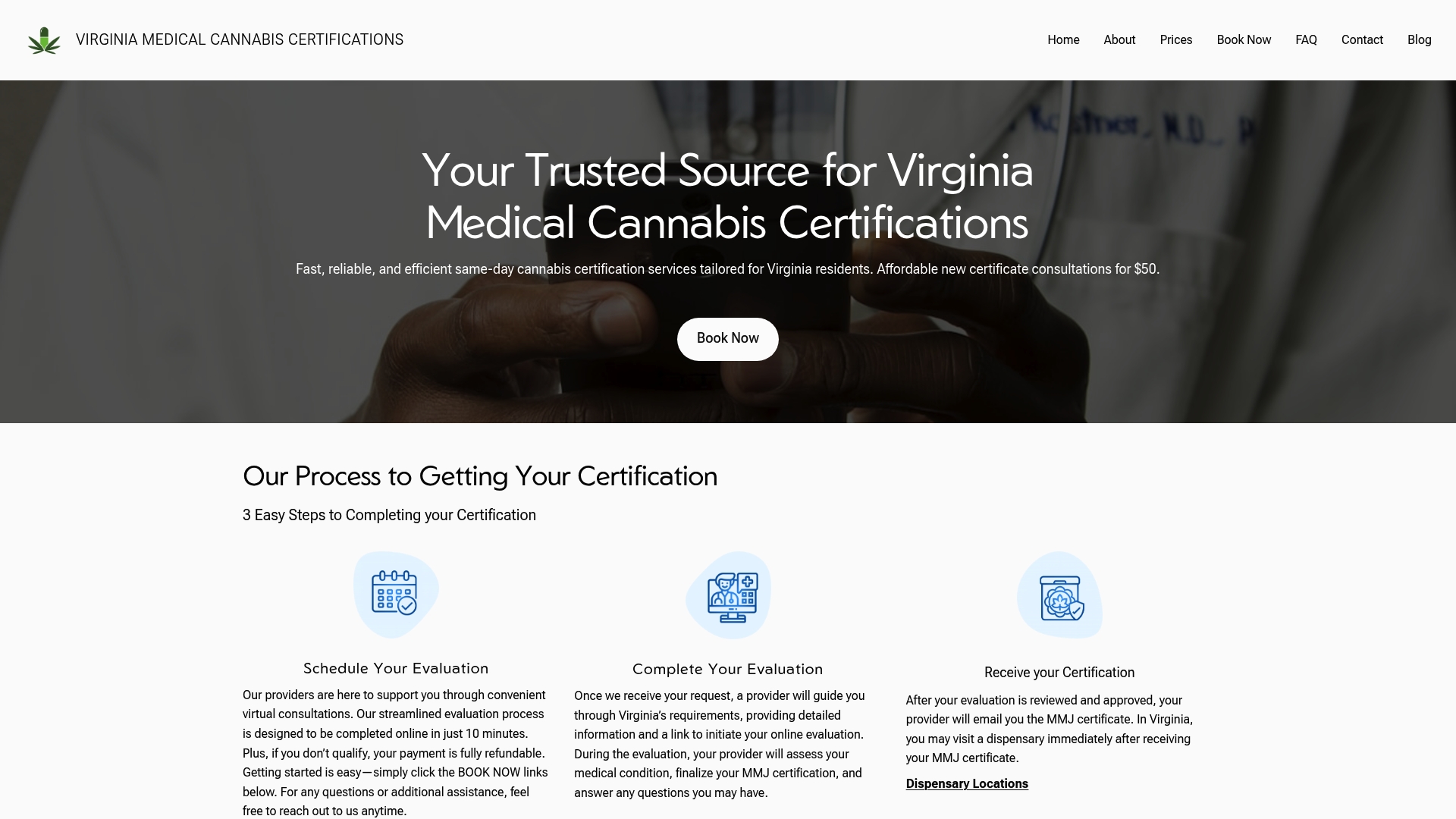
For OCD patients in Virginia who want to explore cannabis under proper medical oversight, this is a practical, low-risk starting point. You get a licensed clinical evaluation, a legal certification, and access to regulated dispensary products with clear THC/CBD labeling. Veterans receive an additional discount with a coupon code.
Key service features:
- Online consultation, no in-person visit required
- Same-day certification for immediate dispensary access
- Full refund if you do not qualify
- $50 for new patients, $40 for renewals
- Covers anxiety, PTSD, chronic pain, and other qualifying conditions
Visit Virginia Medical Cannabis Certifications to start your evaluation, or review the certification process and refund guarantee before you book.
Key Takeaways
Cannabis can worsen or improve OCD symptoms depending on individual biology, dose, strain, and frequency of use, with no guaranteed outcome in either direction.
| Point | Details |
|---|---|
| Mixed effects are the norm | 10% of cannabis users reported improvement in OCD symptoms; 17.3% reported worsening obsessions and 23.3% reported increased anxiety. |
| High disorder risk | 42% of OCD patients who use cannabis met criteria for cannabis use disorder in a large survey. |
| Short-term vs. long-term | Inhaled cannabis reduced compulsions by 60% acutely, but no long-term symptom benefit was observed. |
| Treatment interference | Increased cannabis use reduces the likelihood of receiving evidence-based OCD therapy like ERP. |
| Virginia Medical Cannabis Certifications | Offers $50 online certifications with a full refund if you do not qualify, providing safe, legal access for Virginia residents. |
Recommended
- Can Weed Cause Nightmares? What You Need to Know – Virginia Medical Cannabis Certifications
- Can Edibles Cause Gastritis? What You Need to Know – Virginia Medical Cannabis Certifications
- Can Edibles Cause Migraines? What You Need to Know – Virginia Medical Cannabis Certifications
- Weed for TMJ: Relief, Research, and Real Results – Virginia Medical Cannabis Certifications