Yes, smoking weed can cause head pressure
Smoking weed can cause pressure in the head, and it happens more often than most people expect. The main culprits are high THC doses, dehydration, and smoke irritating your airways. Not everyone experiences it, and individual sensitivity plays a big role in whether you feel that dull, squeezing sensation after using cannabis. The symptoms are usually mild to moderate and tend to resolve on their own, but understanding why they happen puts you in a much better position to avoid them.
Research published in the Cleveland Clinic Journal of Medicine confirms that cannabis users with a migraine history face a higher risk of rebound headaches compared to non-users, which suggests that pre-existing sensitivity matters a great deal.
Common triggers for head pressure after marijuana use include:
- Dehydration from cannabis increasing thirst without adequate fluid intake
- High THC doses that alter cerebral blood flow and neural signaling
- Smoke or vapor irritation of the sinuses and respiratory passages
- Overconsumption leading to rebound headaches
- Rapid dose escalation that disrupts the body’s natural balance
Table of Contents
- How cannabis compounds create pressure in your head
- How your consumption method and dose affect head pressure
- How to relieve and prevent cannabis-induced head pressure
- How Virginia Medical Cannabis Certifications supports safe cannabis use
- Key Takeaways
How cannabis compounds create pressure in your head
THC is the primary driver of cannabis-related head pressure. Once inhaled or ingested, THC activates cannabinoid receptors in the brain, including those tied to anandamide, a naturally occurring compound that influences sensory perception and blood flow. This activation can shift cerebral blood flow in ways that trigger pressure sensations, particularly in people who are already sensitive to vascular changes.

The conversion of THCA to THC is also worth understanding. Raw cannabis contains THCA, which is non-psychoactive. Heat, through smoking or vaping, converts THCA into THC. The higher the THC concentration in the final product, the more pronounced the physiological effects, including the potential for headache-related symptoms. Products with very high THC percentages push this risk further.
Smoke and vapor also irritate the mucous membranes lining your sinuses and airways. That irritation causes congestion and swelling, which directly contributes to sinus pressure headaches in regular smokers. It is a physical, mechanical effect, not just a neurological one.
Physiological factors involved in cannabis-related head pressure include:
- THC’s effect on cerebral blood flow and vascular tone
- Activation of anandamide receptors altering sensory processing
- Sinus congestion from smoke or vapor irritation
- Blood pressure fluctuations from THC’s cardiovascular effects
- Rebound headaches following overuse or withdrawal
- Neural messaging disruption in pain-sensitive pathways
Pro Tip: If you notice head pressure consistently after using high-THC products, consider checking the THC percentage on your dispensary label. Dropping even a moderate amount in potency can make a noticeable difference for sensitive users.
How your consumption method and dose affect head pressure
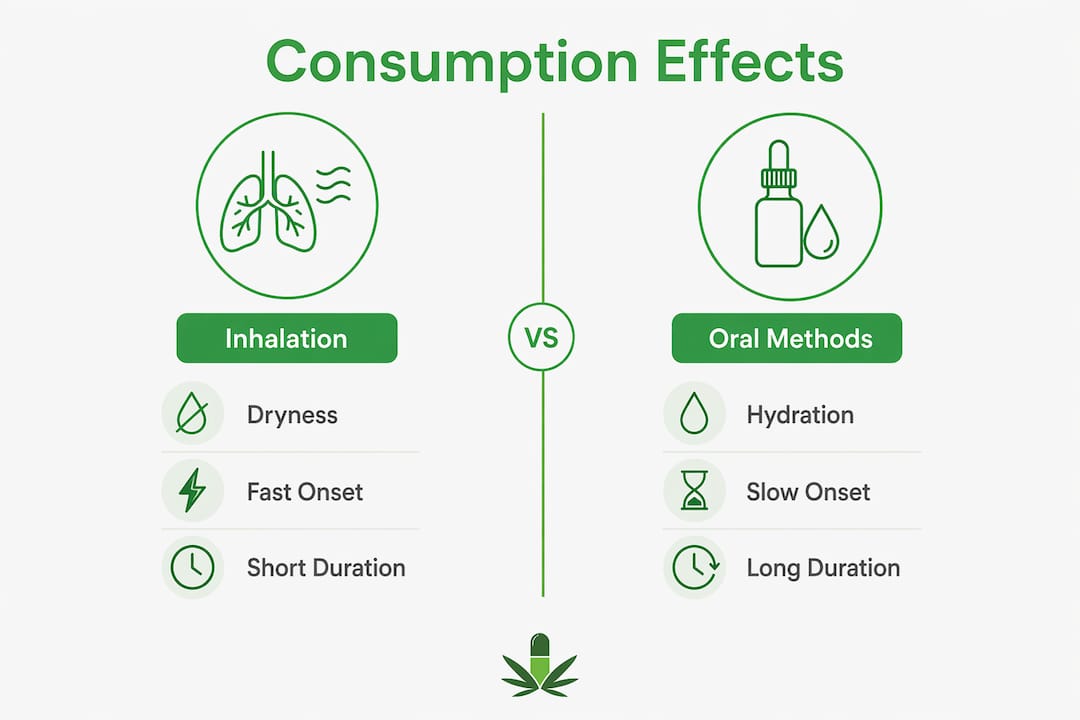
The way you use cannabis matters as much as how much you use. Inhalation, whether smoking or vaping, dries out your mucous membranes faster than any other delivery method. Frequent inhalers may develop rebound headaches over time because the repeated dryness and irritation accumulate. Oral methods, such as edibles or tinctures, bypass the airways entirely and tend to produce a more gradual, stable effect on the body.

Dosage is the other major variable. Higher THC doses increase the risk of pressure and headaches, especially for newer users or those who have taken a break and lost tolerance. Patients who escalate their dose quickly or exceed what their body is used to often report rebound headaches as a direct result. Slow, incremental increases give your system time to adjust.
Dehydration compounds everything. Cannabis increases thirst, and if you are not actively drinking water before, during, and after use, you are setting yourself up for a headache regardless of the delivery method. Environmental factors like dry air, heat, and physical exertion add to that risk.
| Factor | Inhalation (Smoking/Vaping) | Oral Methods (Edibles/Tinctures) |
|---|---|---|
| Mucous membrane dryness | High | Minimal |
| Onset speed | Fast (minutes) | Slow (up to about an hour or more) |
| Rebound headache risk | Higher with frequent use | Lower for chronic use |
| Dose control | Moderate | More precise |
| Sinus irritation | Common | None |
Individual tolerance also shapes your experience. Someone who uses cannabis daily has a different physiological baseline than someone who uses it occasionally. Infrequent users tend to be more sensitive to THC’s vascular effects, which means a dose that feels normal to a regular user can trigger head pressure in someone just starting out. You can read more about how edibles specifically affect headache risk in this guide on edibles and migraines.
How to relieve and prevent cannabis-induced head pressure
Most cannabis-related head pressure responds well to straightforward interventions. Hydration is the single most accessible fix. Drinking water consistently before and during cannabis use reduces the likelihood of dehydration-driven headaches significantly. Keep a glass of water nearby every time you use cannabis, and make it a habit rather than an afterthought.
Starting with a low dose and titrating slowly is the most reliable way to prevent pressure from building in the first place. If you are new to cannabis or returning after a break, treat your tolerance as if it has reset. Give your body time to adjust before increasing the amount you use.
For people who use cannabis regularly for chronic conditions, oral forms tend to be a better baseline than inhalation. Reserve smoking or vaping for acute episodes where fast onset matters, and rely on edibles or tinctures for day-to-day management. This approach protects your airways and reduces the cumulative dryness that drives rebound headaches.
Recognizing rebound headache patterns is also important. If you notice that your head pressure tends to appear a few hours after your last dose, or when you skip a day, that is a signal that your body has become dependent on cannabis to regulate its pain threshold. Taking a short break or reducing your dose can reset that cycle.
Relief and prevention strategies at a glance:
- Drink water consistently before, during, and after cannabis use
- Start with the lowest effective dose and increase gradually
- Choose oral cannabis forms for routine, ongoing use
- Take periodic breaks to reset tolerance and reduce rebound risk
- Avoid smoking in dry or poorly ventilated environments
- Switch to lower-THC products if pressure occurs repeatedly
- Rest in a quiet, dark room if a headache develops after use
Pro Tip: If you are using cannabis for headache relief but finding that it sometimes makes things worse, the delivery method may be the issue rather than cannabis itself. Switching from smoking to a tincture or low-dose edible often resolves the cycle.
How Virginia Medical Cannabis Certifications supports safe cannabis use
Using cannabis safely starts with knowing what you are treating and how your body responds. That is exactly where a medical evaluation makes a real difference. Patients with cardiovascular conditions, a history of migraines, or anxiety disorders face a higher baseline risk for cannabis-related head pressure, and a clinical assessment helps identify those risks before they become a problem.
Virginia Medical Cannabis Certifications offers same-day virtual evaluations for Virginia residents, completed online in about 10 minutes. The process is designed to be accessible, with a $50 flat fee for new patients and $40 for renewals. If you do not qualify, the fee is fully refunded. That kind of low-barrier access means you can get professional guidance on dosing, delivery methods, and which conditions cannabis is most appropriate for, without the friction of a traditional clinic visit.
A certified clinician can help you figure out whether inhalation or oral methods suit your situation, what THC concentration is appropriate for your condition, and how to avoid the patterns that lead to rebound headaches. For Virginia residents managing chronic pain, anxiety, PTSD, or other qualifying conditions, that guidance is not just convenient. It is the difference between using cannabis effectively and cycling through symptoms without understanding why. Learn more about sativa and headache relief as part of a broader approach to managing cannabis-related symptoms.
Safe use tips and certification benefits:
- Medical evaluation identifies personal risk factors before you start
- Clinician guidance on THC dosage reduces overconsumption risk
- Delivery method recommendations tailored to your condition
- Certification provides dispensary access with documented clinical support
- Ongoing renewal process keeps your use aligned with your health goals
- Veterans receive a discount through an available coupon code

If you are a Virginia resident ready to get your medical cannabis certification, Virginia Medical Cannabis Certifications makes the process straightforward. Same-day virtual certification is available for $50, with a full refund if you do not qualify. The entire evaluation takes about 10 minutes online, and you get immediate dispensary access once approved. You can also review the certification process and approval criteria in detail before you start.
Key Takeaways
Smoking weed can cause head pressure through THC’s effects on cerebral blood flow, dehydration, and airway irritation, but the right dose and delivery method reduce that risk significantly.
| Point | Details |
|---|---|
| Head pressure is real but manageable | High THC doses, dehydration, and smoke irritation are the main triggers. |
| Delivery method changes your risk | Inhalation causes more mucous membrane dryness and rebound headaches than oral methods. |
| Hydration is your first line of defense | Drinking water consistently before and during use reduces headache risk. |
| Slow dose increases prevent rebound | Rapid escalation disrupts the body’s balance and leads to recurring head pressure. |
| Medical certification supports safer use | A clinical evaluation helps match your dose and delivery method to your specific condition. |
Recommended
- THCA Headaches: Causes, Relief, and Safe Use – Virginia Medical Cannabis Certifications
- Sativa Headache Relief: What You Need to Know – Virginia Medical Cannabis Certifications
- Can Edibles Cause Migraines? What You Need to Know – Virginia Medical Cannabis Certifications
- Can Weed Cause Nightmares? What You Need to Know – Virginia Medical Cannabis Certifications