
The medical guidance is clear: avoid cannabis during pregnancy and while breastfeeding. THC crosses the placenta and reaches the developing fetus, and it also appears in breast milk. No amount has been shown to be safe at any stage of pregnancy or lactation.
If you’ve used cannabis recently or are still using it, here are three immediate steps:
- Tell your clinician. Honest disclosure lets your care team monitor your baby’s growth and flag any concerns early. You won’t be judged — your provider’s job is to support you.
- Stop use if you can. Stopping at any point during pregnancy is better than continuing. If stopping feels difficult, that’s worth telling your clinician too.
- Get support. Free, confidential help is available through SAMHSA’s National Helpline at 1-800-662-4357, or by texting your zip code to 898-211 to find a local treatment locator.
If you have urgent concerns about your pregnancy, contact your OB or midwife right away, or go to the nearest emergency room.
Key Takeaways
No amount of cannabis has been shown to be safe during pregnancy or breastfeeding, and stopping use at any point reduces ongoing fetal exposure.
| Point | Details |
|---|---|
| Avoid cannabis entirely | No safe amount exists during pregnancy or breastfeeding, per CDC, ACOG, AAP, and FDA. |
| THC crosses the placenta | THC is fat-soluble, reaches fetal tissue, and persists in breast milk even after use stops. |
| Tell your clinician | Disclosure lets your care team monitor fetal growth and prepare the newborn care team. |
| Neurodevelopmental risks are real | Cohort studies link prenatal exposure to attention, memory, and behavior differences in children. |
| Free help is available | SAMHSA’s helpline (1-800-662-4357) and MotherToBaby (1-866-626-6847) offer confidential support. |
Table of Contents
- What does the evidence say about cannabis and pregnancy outcomes?
- Long-term effects on your child’s brain development
- Cannabis and breastfeeding: what gets into breast milk
- How THC reaches your baby through the placenta and breast milk
- Why the evidence has real limits — and why that doesn’t change the recommendation
- What U.S. medical organizations officially recommend
- How clinicians can screen and counsel without judgment
- If you’ve already used cannabis during pregnancy, here’s what to do
- What recent literature adds to what we already know
- Resources and support for pregnant and breastfeeding people
- A note from the publisher
- Sources
What does the evidence say about cannabis and pregnancy outcomes?
Studies consistently link prenatal cannabis exposure to a handful of concerning birth outcomes, with lower birth weight being the most replicated finding. A 2017 National Academies review found substantial evidence that maternal cannabis smoking is associated with lower birth weight in newborns. More recent evidence reviews have reinforced that signal, with pooled analyses reporting increased odds of both preterm birth and low birth weight in pregnancies with cannabis exposure.
| Outcome | Direction of association | Evidence quality |
|---|---|---|
| Lower birth weight | Increased risk | Moderate |
| Small for gestational age | Increased risk | Moderate |
| Preterm birth | Modest increase | Limited to moderate |
| Stillbirth | Possible increase | Limited |
| NICU admission | Possible increase | Limited |
SAMHSA notes that no amount of marijuana has been proven safe, and that the list of possible harms includes fetal growth restriction, preterm birth, low birth weight, stillbirth, and potential long-term developmental effects.
A word on confounders. Most of these studies are observational, meaning researchers cannot randomly assign people to use or avoid cannabis. People who use cannabis during pregnancy are also more likely to smoke tobacco, drink alcohol, or face socioeconomic stressors — all of which independently affect birth outcomes. A large meta-analysis found that even after adjusting for polysubstance use and socioeconomic factors, consistent associations with adverse neonatal outcomes remained. That doesn’t prove causation, but it does mean the signal is hard to dismiss.
Long-term effects on your child’s brain development
The concerns don’t stop at birth. The CDC specifically identifies attention, memory, problem-solving, and behavior differences as potential long-term neurodevelopmental impacts linked to prenatal exposure.

These associations are just that — associations, not certainties. Many children exposed prenatally show no measurable differences, and researchers cannot fully separate cannabis effects from other variables in a child’s environment. Still, the pattern across multiple independent cohort studies is consistent enough that major medical organizations treat it as a genuine concern.
What to watch for. If your child was exposed to cannabis during pregnancy, standard developmental screening at well-child visits is your best tool. Pediatricians use validated tools like the Ages and Stages Questionnaire (ASQ) and the Modified Checklist for Autism in Toddlers (M-CHAT) to catch early signs of developmental differences. If your pediatrician raises a concern, early intervention services — available in every U.S. state through the Individuals with Disabilities Education Act (IDEA) — can make a meaningful difference.
Signs worth flagging at any age include:
- Difficulty sustaining attention compared to peers
- Trouble following multi-step instructions
- Behavioral outbursts that seem disproportionate
- Slower progress in reading, math, or language
Pro Tip: When talking to your pediatrician, you don’t need to lead with “I used cannabis.” You can simply say, “I want to make sure we’re doing thorough developmental screening at each visit.” That opens the door without requiring you to disclose more than you’re comfortable sharing right away.
Cannabis and breastfeeding: what gets into breast milk
THC passes into breast milk, and because it is fat-soluble, it can persist there for longer than most people expect. MotherToBaby’s evidence summary notes that THC and other cannabinoids pass through the placenta and into breast milk, and that some studies suggest possible motor-development delays in breastfed infants exposed to THC. Detection windows vary depending on frequency of use, body fat percentage, and the sensitivity of the testing method used.
The FDA advises against using cannabis in any form — including CBD — during pregnancy or while breastfeeding. ACOG and the AAP align with that position.
That said, the evidence base for breastfeeding-specific harms is thinner than for prenatal exposure. Breastfeeding itself carries well-established benefits for infant health, and the decision to stop breastfeeding is not one to take lightly. If you are using cannabis and breastfeeding, the most supportive approach is to:
- Discuss your situation honestly with your clinician or a lactation consultant
- Understand that stopping cannabis use while continuing to breastfeed is generally the preferred path
- Know that ongoing cannabis use is not an automatic reason to stop breastfeeding entirely — that decision should be made with your care team, weighing the benefits of breast milk against the risks of continued THC exposure
How THC reaches your baby through the placenta and breast milk
THC is fat-soluble, which is the key to understanding why it poses a particular challenge during pregnancy and lactation. StatPearls explains that THC is lipophilic, crosses the placenta, accumulates in fetal tissues, and is stored in maternal fat — meaning exposure can continue through breast milk even after a mother stops using cannabis. The fetus and newborn metabolize THC more slowly than adults, so concentrations can build up over time.
The placenta itself contains a local endocannabinoid system. Research published in the International Journal of Molecular Sciences suggests that cannabinoids can affect placental blood vessel development and function, which offers a biologically plausible explanation for some of the fetal growth effects observed in population studies.
Route of use matters. How you consume cannabis affects how quickly THC enters your bloodstream and how long it stays there.
Inhalation carries the added concern of respiratory effects from smoke or vapor, including carbon monoxide exposure from combustion, which independently reduces oxygen delivery to the fetus. Edibles are often assumed to be safer because there’s no smoke, but the longer and less predictable duration of effect means the fetus may be exposed for a greater portion of each day.
Pro Tip: When screening patients, ask not just “Do you use cannabis?” but “How do you use it, how often, and roughly how much?” Route, frequency, and dose all affect fetal exposure and help you give more tailored counseling.
Why the evidence has real limits — and why that doesn’t change the recommendation
The honest answer is that cannabis research in pregnancy is genuinely difficult. Randomized controlled trials — the gold standard for proving causation — are ethically impossible here. That means researchers rely on observational cohort studies, which are vulnerable to confounding. Participants also tend to underreport cannabis use, especially when they know it may be judged, which means exposure estimates in studies are likely conservative.
A few specific limitations are worth understanding:
- Polysubstance use. Many people who use cannabis also use tobacco, alcohol, or other substances. Separating the effect of cannabis alone is statistically challenging, even with adjustment.
- Self-reporting bias. Studies that rely on self-reported use consistently undercount actual exposure. Biological sampling (urine, meconium, hair) gives more accurate data but is used in fewer studies.
- Potency changes. THC concentrations in commercially available cannabis have risen substantially over the past two decades. Older studies were conducted when products were far less potent, which means their findings may underestimate the risks associated with today’s products.
- Limited long-term follow-up. Neurodevelopmental outcomes take years to measure. Many cohort studies lose participants over time, reducing statistical power for long-term findings.
On potency: MotherToBaby notes that modern cannabis products contain substantially higher THC concentrations than older samples, and that patients may mistakenly assume “natural” means safe. This is a critical counseling point — a patient who used cannabis in a prior pregnancy a decade ago may be using a very different product today.
None of these limitations change the bottom line. The consistent direction of findings across multiple independent studies, combined with a plausible biological mechanism, is enough for every major U.S. medical organization to recommend avoiding cannabis during pregnancy and breastfeeding.
What U.S. medical organizations officially recommend
Every major U.S. health authority has taken a clear position: there is no known safe amount of cannabis during pregnancy or breastfeeding, and clinicians should advise patients to stop.
- CDC links prenatal cannabis exposure to neurodevelopmental impacts and advises pregnant people to avoid all cannabis use.
- ACOG issued a clinical consensus recommending universal screening for cannabis use in preconception, pregnancy, and postpartum care, with counseling to stop use during pregnancy and lactation.
- AAP recommends that pediatricians counsel families about cannabis risks and advises against use during pregnancy and breastfeeding.
- FDA advises against using CBD, THC, and marijuana in any form during pregnancy or while breastfeeding.
- AAFP supports nonjudgmental, early screening in pregnancy because many patients do not recognize cannabis as carrying obstetric risks.
The PMC literature review that synthesized the available evidence reached the same conclusion: avoid marijuana in pregnancy because THC crosses the placenta and perinatal effects remain uncertain.
Clinicians are specifically advised to:
- Screen universally and early, ideally at the first prenatal visit
- Use nonjudgmental language to encourage honest disclosure
- Counsel patients about known and potential risks
- Refer to behavioral health or substance use treatment when indicated
- Document exposure for the newborn care team
How clinicians can screen and counsel without judgment
Many patients don’t bring up cannabis use on their own — not because they’re hiding it, but because they don’t think of it as a substance that needs to be disclosed, or they worry about being judged. A nonjudgmental, normalized approach to screening gets better information and builds trust.
Simple screening prompts that work:
- “Before and during pregnancy, many people use substances like alcohol, tobacco, or marijuana, sometimes to manage stress or nausea. Is that something you’ve done at all?”
- “In the past month, have you used marijuana or any cannabis products?”
- “Some of my patients find cannabis helps with nausea or anxiety. Is that something you’ve tried?”
These prompts normalize the question without implying approval, which tends to produce more honest answers than a direct “Do you use drugs?” framing.
Validated tools and frameworks:
- AUDIT-C / CRAFFT for broader substance use screening in pregnancy
- SBI (Screening, Brief Intervention, and Referral to Treatment): a structured approach that pairs a short screening question with a brief motivational conversation and, when needed, a referral
- WEED mnemonic (used in some family medicine settings): Why are you using? Effects on daily life? Efforts to cut back? Dependence signs?
A brief sample script for a first prenatal visit:
- Ask: “Do you currently use cannabis in any form?”
- If yes: “Thank you for telling me. Can you tell me more about how you use it — how often, and in what form?”
- Counsel: “The current guidance from organizations like ACOG and the CDC is to avoid cannabis during pregnancy because of potential effects on your baby’s growth and development. I’d like to support you in stopping if that’s something you’re open to.”
- Refer: “There are free, confidential programs that can help. Would it be okay if I shared some resources with you today?”
Pro Tip: Document cannabis use in the prenatal record and flag it for the newborn care team. Neonatologists and pediatric nurses benefit from knowing about prenatal exposure so they can monitor the infant appropriately from birth.
If you’ve already used cannabis during pregnancy, here’s what to do
First: don’t panic. Stopping at any point in pregnancy reduces ongoing exposure. Many people used cannabis before they knew they were pregnant, or before they understood the risks. What matters now is what you do next.
Immediate steps:
- Tell your OB, midwife, or family doctor. Honest disclosure is protected in most clinical settings. Your provider can order additional fetal growth ultrasounds if they feel monitoring is warranted, and they can document your baby’s exposure for the newborn care team.
- Stop using cannabis if you can. If stopping is difficult, tell your clinician. Difficulty stopping is a clinical finding, not a moral failure, and there are behavioral support programs designed specifically for pregnancy.
- Avoid inhalation routes. If you’re not ready to stop entirely, switching away from smoking or vaping removes the added risk of combustion byproducts and carbon monoxide.
- Avoid high-THC products. Lower-potency products mean lower fetal exposure per use, though abstinence remains the safest choice.
- Ask about fetal growth surveillance. If you’ve used cannabis regularly during pregnancy, your clinician may recommend serial growth ultrasounds to monitor fetal size.
Urgent warning signs that need immediate attention:
- Decreased fetal movement
- Vaginal bleeding
- Severe abdominal pain
- Signs of preterm labor (regular contractions before 37 weeks)
If any of these occur, go to the emergency room or call your OB immediately — don’t wait for a scheduled appointment.
Resources for immediate help:
- SAMHSA National Helpline: 1-800-662-4357 (free, confidential, 24/7)
- Text your zip code to 898-211 to find local treatment services
- MotherToBaby: 1-866-626-6847 or mothertobaby.org for pregnancy-specific questions
What recent literature adds to what we already know
Older studies on marijuana use during pregnancy were conducted when THC concentrations were far lower and when measurement tools were less precise. Recent systematic reviews and population-level cohort studies add several important layers.
The most consistent signal across recent literature is the association between prenatal cannabis exposure and lower birth weight, followed by modest increases in preterm birth risk. What’s newer is the growing body of longitudinal data on neurodevelopmental outcomes — attention, executive function, and behavioral regulation — tracked into middle childhood and adolescence. These findings are still associative, but the pattern is becoming harder to attribute entirely to confounding.
Key gaps the literature hasn’t closed:
- Dose and timing. Most studies don’t capture when in pregnancy exposure occurred or at what dose. First-trimester exposure during organogenesis may carry different risks than third-trimester exposure.
- Biological validation. Studies relying on self-report likely undercount exposure. Meconium and cord blood testing give more accurate pictures but aren’t used consistently across research settings.
- Lactation data. The evidence base for breastfeeding-specific harms is thin. Most studies on breast milk THC transfer are small, and long-term infant outcome data from breastfeeding exposure is limited.
- Product diversity. Concentrates, vape cartridges, and edibles with very high THC content are now widely used, but most existing studies predate their widespread availability.
Pro Tip: For researchers and clinicians collecting data on prenatal cannabis exposure, standardized exposure metrics — including route, frequency, dose in milligrams of THC, and trimester of use — would dramatically improve the comparability of future studies. Biological sampling at delivery (cord blood, meconium) should be encouraged where ethically and logistically feasible.
Resources and support for pregnant and breastfeeding people
You don’t have to figure this out alone. Several free, evidence-based resources are available specifically for pregnant and breastfeeding people dealing with cannabis use.
National resources:
- SAMHSA National Helpline (1-800-662-4357): Free, confidential, 24/7 treatment referral and information service. Connects you to local substance use programs, including those with pregnancy-specific services.
- SAMHSA Treatment Locator (findtreatment.gov): Search by zip code for nearby programs. Many offer sliding-scale fees and accept Medicaid.
- MotherToBaby (mothertobaby.org or 1-866-626-6847): Staffed by teratology specialists who answer questions about substance exposure during pregnancy and breastfeeding. Free and confidential.
- CDC Cannabis and Pregnancy page: Plain-language summary of risks and guidance, useful to share with family members or support people.
- State quitlines: Most states offer free telephone counseling for substance use, including cannabis. Your OB’s office can connect you to your state’s program.
What to expect from a referral:
A referral to a substance use program doesn’t mean a hospital stay or a legal consequence. Most pregnancy-specific programs offer outpatient behavioral counseling, motivational interviewing, and peer support. Some include home visiting services and case management. Medication-assisted treatment is not currently available for cannabis use disorder, but behavioral interventions have shown meaningful results.
Privacy protections: Federal law (42 CFR Part 2) protects the confidentiality of substance use treatment records. Your clinician cannot share your treatment information without your written consent in most circumstances. Disclosing cannabis use to your OB does not automatically trigger a child protective services report in most states — though laws vary, so asking your provider directly about local reporting requirements is reasonable.
A note from the publisher
The guidance in this article reflects the current consensus from the CDC, ACOG, AAP, FDA, and AAFP: avoid cannabis during pregnancy and breastfeeding, and seek support if stopping is difficult. That recommendation is not about judgment — it’s about giving your baby the best possible start.
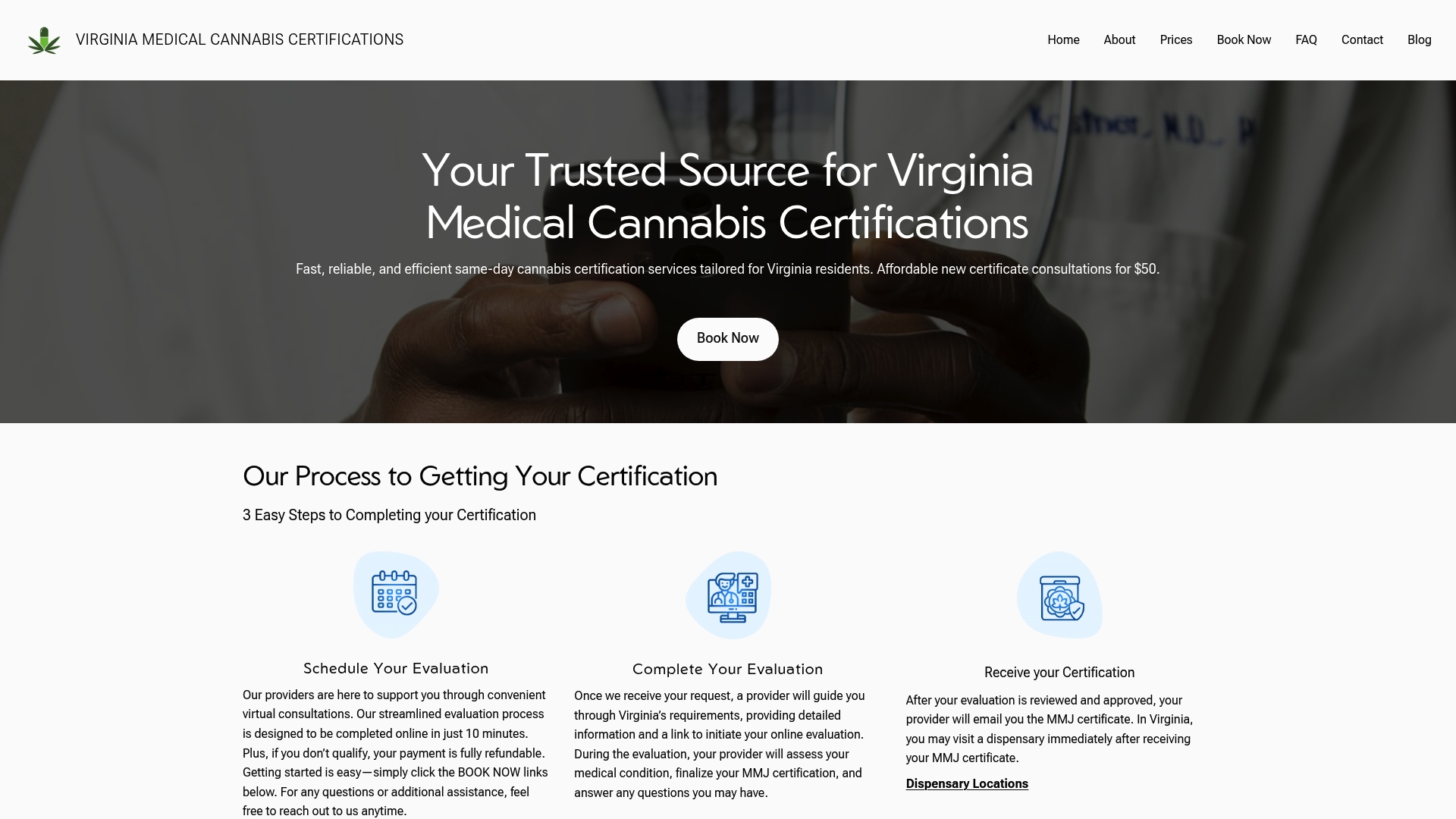
For Virginia residents who are not pregnant and are exploring medical cannabis for qualifying conditions like chronic pain, anxiety, or PTSD, Virginia Medical Cannabis Certifications offers same-day online clinical evaluations for $50, completed in about 10 minutes with email delivery of your certificate. The fee is fully refundable if you don’t qualify. You can learn more about the process and approval criteria at Virginiacard.
Medical cannabis certification is a decision for after pregnancy and breastfeeding, made with a licensed clinician who can evaluate your specific situation.
Sources
- Cannabis and pregnancy — Centers for Disease Control and Prevention (CDC)
- Marijuana Use in Pregnancy: A Review – PMC – NIH
- What you should know about using cannabis, including CBD, when pregnant or breastfeeding — FDA
- Marijuana (Cannabis) — MotherToBaby fact sheet
This article provides general health information and is not a substitute for professional medical advice. If you have questions about cannabis use during pregnancy or breastfeeding, speak with your OB, midwife, or a licensed healthcare provider. For urgent concerns, contact your care team or go to the nearest emergency room.
Recommended
- Can THC Cause Low Blood Sugar? What You Need to Know – Virginia Medical Cannabis Certifications
- Can Weed Cause Nightmares? What You Need to Know – Virginia Medical Cannabis Certifications
- Can Smoking Weed Cause Pressure in Your Head? – Virginia Medical Cannabis Certifications
- Can the Smell of Weed Give Me a Headache? – Virginia Medical Cannabis Certifications