Start with 2.5 to 5 mg of THC if you’re new to tinctures, and follow three rules every time: convert the label to mg/mL before you measure anything, use the dropper markings or a syringe rather than guessing at “a dropperful,” and wait at least two hours before you take more. Microdosers can start even lower, around 1 to 2.5 mg. Intermediate users often land at 5 to 10 mg once they know how their body responds.
- Microdose: 1 to 2.5 mg THC
- Common starter dose: 2.5 to 5 mg THC
- Intermediate dose: 5 to 10 mg THC
Pro Tip: Formulation and route change everything about timing. An alcohol-based tincture held under the tongue behaves differently than an oil-based drop you swallow, and the next section walks through why that matters for your first few sessions.
Key Takeaways
Safe tincture dosing depends on converting the label to mg/mL, measuring with precision, and waiting at least two hours before taking more.
| Point | Details |
|---|---|
| Start low | Begin with 2.5 to 5 mg THC for a first dose, or 1 to 2.5 mg if you want a microdose. |
| Do the mg/mL math | Divide total mg by total mL before measuring any dose from a new bottle. |
| Hold it, then wait | Hold sublingual tinctures 60 to 90 seconds and wait two hours minimum before redosing. |
| Track every session | Log dose, onset time, peak effect, and duration to titrate accurately over time. |
| Get clinical input early | Virginia Medical Cannabis Certifications’ $50 same-day evaluation connects patients with a clinician who can flag dosing and interaction concerns before they start. |
This article is general information, not a substitute for advice from a qualified doctor. Consult a qualified healthcare professional about your own circumstances before acting on anything here.
Table of Contents
- How Tincture Formulation and Route Affect Absorption Timing
- Reading the Label: Calculating mg/mL and mg Per Drop
- Building a Titration Schedule That Actually Works
- Onset, Duration, and Why Dose Stacking Is Risky
- Side Effects, Interactions, and When to Call a Clinician
- Why Fast Clinical Access Changes How Safely You Dose
- What I’d Tell a Friend Starting Their First Tincture
- Get Clinical Guidance Before You Titrate
- Sources
How Tincture Formulation and Route Affect Absorption Timing
Not all tinctures are built the same, and that difference decides how fast you feel anything. A true tincture uses alcohol as the carrier, which supports some absorption directly through the tissue under your tongue. Many products labeled “tincture” today actually use MCT oil or glycerin instead, and those behave more like an edible once swallowed. Oil-based formulas absorb more slowly and less predictably than alcohol tinctures held sublingually, because oil doesn’t cross oral tissue the way alcohol does.
That distinction changes your timeline. Oromucosal absorption, meaning through the lining of your mouth, can start working in as little as 15 to 45 minutes, though real-world results vary widely and often stretch toward the 45 to 120 minute range depending on how long you hold the dose under your tongue. Swallow it instead, whether on purpose or because you didn’t hold it long enough, and you’re now waiting on digestion, which typically takes 30 to 90 minutes or longer.
- Check the label for words like “sublingual,” “hold for 60 seconds,” or “under the tongue” — that’s your cue it’s designed for oral absorption.
- If the bottle only says “oral tincture” with no hold-time instructions, treat it like an edible for timing purposes.
- Glycerin-based tinctures tend to have the mildest, slowest onset of the three carrier types.
Reading the Label: Calculating mg/mL and mg Per Drop
A bottle that lists “500 mg THC” tells you almost nothing on its own. You need the total volume too, because a label’s total milligram count is meaningless without knowing the bottle size. The formula is simple: mg/mL equals total mg divided by total mL. From there, you can estimate mg per drop by dividing your mg/mL figure by roughly 20, since most standard droppers dispense close to 20 drops per milliliter, though dropper size varies by manufacturer, so check yours against the markings printed on the glass.
Here’s how that math plays out across three common bottle strengths:
- Find the total mg and total mL on the label or lab report.
- Divide mg by mL to get your mg/mL concentration.
- Divide that number by 20 to estimate mg per drop, then round to the nearest measurable increment on your dropper or syringe.
Leafly’s sample conversion puts a 300 mg, 30 mL bottle at roughly 0.10 mL for a 3 mg dose, which lines up closely with the math above. These figures are starting references, not prescriptions. Your actual dropper’s drop size can differ enough to matter, so measure by volume markings when precision counts, not by counting drops alone.
Building a Titration Schedule That Actually Works
Finding your dose isn’t a one-session job. It’s a slow climb, and rushing it is where most bad experiences come from.
- Measure your dose using the mg/mL math from the label, not a rounded-off guess.
- Hold it under your tongue for 60 to 90 seconds before swallowing, if the product is designed for sublingual use.
- Wait at least two hours before deciding whether you need more.
- Repeat the same dose for two to three sessions before changing anything. Your first try isn’t a fair test of how a dose affects you.
- Increase by the smallest measurable amount, one drop or 1 to 2 mg, only after you’ve given the current dose a fair trial.
Keep a simple record as you go. A dosing journal doesn’t need to be complicated. Track the date, the exact dose in mg, the time you took it, how long it took to feel anything, what the effect felt like, and how long it lasted.
- Date and time of dose
- Exact mg amount (not “a few drops”)
- Time to onset
- Peak effect and how it felt
- Total duration
Clinicians who work with cannabis patients consistently point to this kind of record as one of the most useful tools for fine-tuning a dose safely over time.
Onset, Duration, and Why Dose Stacking Is Risky
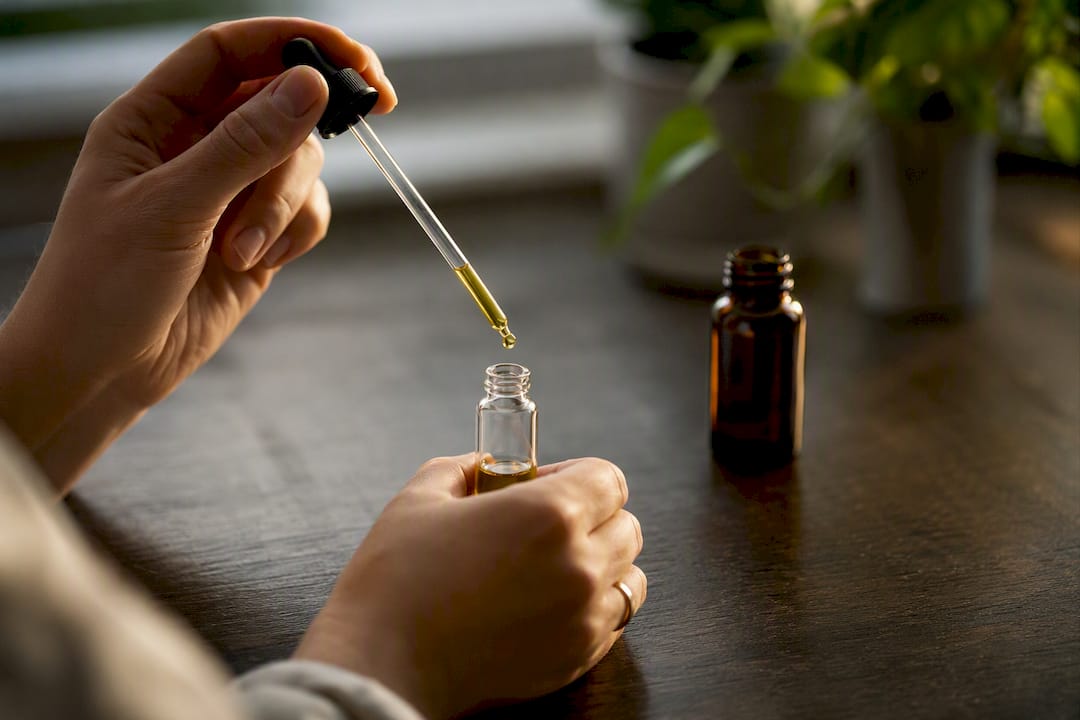
Tinctures don’t work instantly, and that lag is exactly where beginners get into trouble. Sublingual absorption often starts within minutes to under two hours, depending on individual and product factors. Swallowed tinctures take longer before effects begin and can last significantly longer once they start.
“Dose stacking” happens when you take a second dose before the first one has kicked in, assuming nothing happened yet. Then both doses hit at once, often much harder than intended. This single mistake accounts for a large share of uncomfortable beginner experiences with cannabis products generally.
- Wait a minimum of two hours before redosing, longer if you swallowed rather than held the tincture sublingually.
- Eating beforehand, especially a fatty meal, slows gastric emptying and pushes onset later.
- Oil-based carriers add to that delay compared to alcohol tinctures.
Pro Tip: If you’re unsure whether you swallowed some of your sublingual dose, treat the whole thing like a swallowed dose for timing purposes. It’s the safer assumption.
Side Effects, Interactions, and When to Call a Clinician
Most tincture side effects are mild and pass on their own: dry mouth, mild anxiety, dizziness, or a faster heart rate. Red flag symptoms that need urgent attention include chest pain, severe confusion, difficulty breathing, or a panic response that doesn’t ease within an hour or two.
Interactions matter more than most beginners expect. Cannabis can amplify the sedating effects of alcohol, benzodiazepines, and opioids, and it can also interact with blood thinners. Safety literature on medicinal cannabinoids recommends checking with a clinician or pharmacist before combining cannabis with any of these, particularly anticoagulant medications.
- Anxiety, dizziness, or a racing heart usually resolve within a couple of hours.
- Chest pain, severe confusion, or breathing trouble warrants emergency care.
- Combining tinctures with sedatives, opioids, or blood thinners needs a clinician’s input first.
- Pregnant or breastfeeding individuals, and those with cardiovascular disease, should take a conservative, cautious approach and speak with a provider before use.
If you’re managing blood sugar concerns alongside cannabis use, it’s worth reading about how THC can affect blood sugar before you start titrating.
Why Fast Clinical Access Changes How Safely You Dose
A quick, affordable path to a clinician matters more than people realize. Virginia Medical Cannabis Certifications offers a same-day online evaluation for $50, with a full refund if you don’t qualify, so getting product-specific dosing and interaction advice doesn’t require weeks of waiting.
What I’d Tell a Friend Starting Their First Tincture
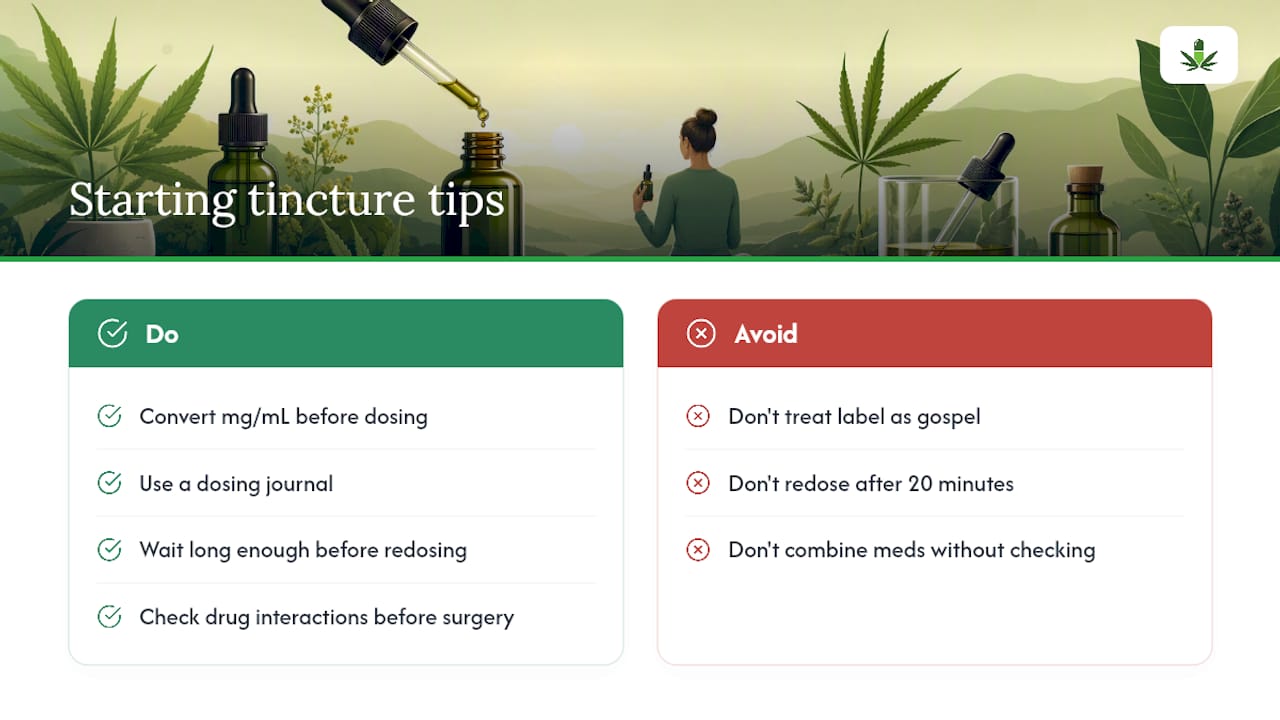
Most dosing advice online treats the label as gospel. It isn’t. The mg/mL math matters more than whatever big number is printed on the front of the bottle, and I’d rather see someone spend five extra minutes doing that conversion than trust a “one dropperful” instruction that means nothing without knowing their dropper’s actual output.
The bigger issue I see is impatience. People wait 20 minutes, feel nothing, and take more, not realizing they’re about to get hit by two doses at once. A dosing journal sounds tedious until it saves you from that exact mistake. If you’re combining tinctures with other medications, reading up on drug interactions before an unrelated event like surgery is a good habit, not overcaution.
— Jonathan
Get Clinical Guidance Before You Titrate
Doing the mg/mL math is only half the picture. The other half is knowing whether your dose is safe given what else you’re taking, and that’s a conversation worth having with a clinician, not a search engine. Virginia Medical Cannabis Certifications makes that conversation accessible: a same-day online evaluation for $50, completed in about 10 minutes, with a full refund if you don’t qualify.
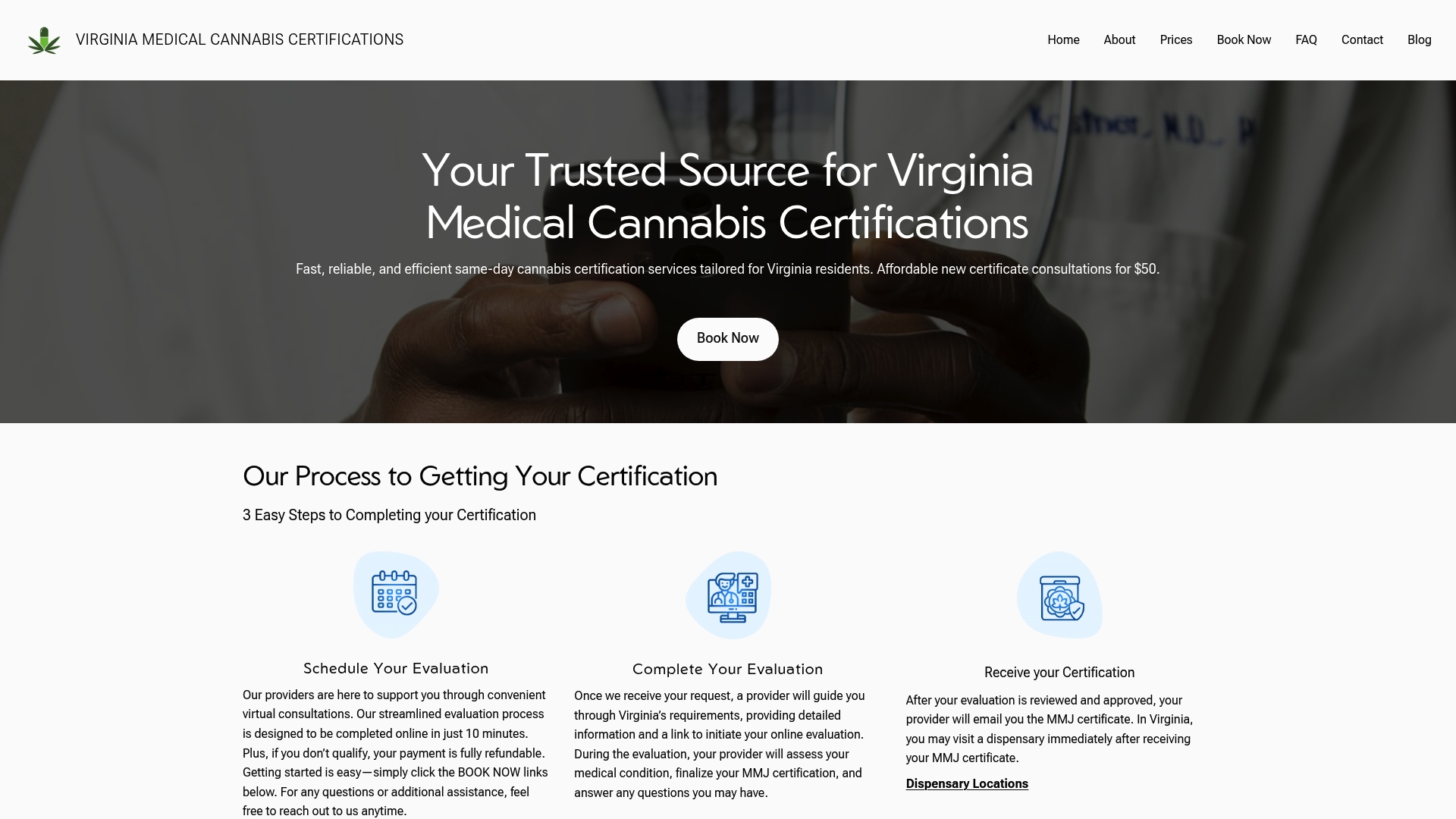
That speed matters most for patients juggling other prescriptions, since a clinician can flag interaction risks before you ever measure your first dose. The process is entirely online, and Virginia residents dealing with chronic pain, anxiety, PTSD, and a range of other qualifying conditions can complete it without taking time off work or driving to an office. If you’re ready to talk dosing with someone qualified to answer your specific questions, start your evaluation today and get your certification the same day.
Sources
Recommended
- Live Resin vs Distillate: What Patients Should Know – Virginia Medical Cannabis Certifications
- Best Low Dose Edibles for Beginners and Microdosers – Virginia Medical Cannabis Certifications
- Delta 8 vs Delta 9: A Medical Safety Guide – Virginia Medical Cannabis Certifications
- Cannabis Blood Pressure Medication: A Virginia Safety Guide – Virginia Medical Cannabis Certifications