
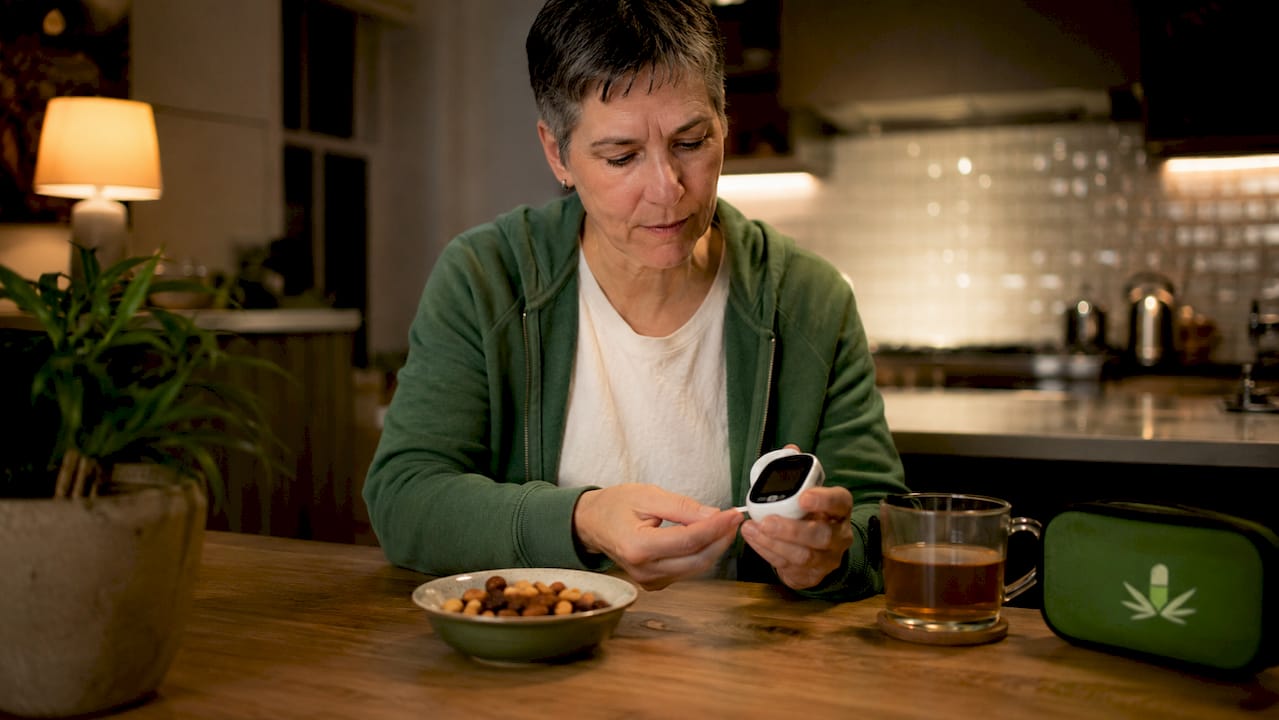
THC, the primary psychoactive compound in cannabis, can cause changes in blood sugar levels, but these effects are not uniform or predictable. The question of whether THC can cause low blood sugar does not have a simple yes or no answer. The science shows that THC interacts with the body’s endocannabinoid system in ways that touch glucose regulation, but the direction and size of that effect vary widely from person to person. For Virginians managing diabetes, hypoglycemia, or simply curious about cannabis and metabolic health, understanding this complexity is the first step toward making informed decisions.
How does THC biologically affect blood sugar and insulin sensitivity?
THC does not reliably lower or raise blood glucose. Effects are highly individual, with some people experiencing drops and others experiencing spikes after inhalation. That inconsistency is the defining feature of THC’s relationship with glucose, and it is what makes blanket claims about cannabis “lowering blood sugar” so misleading.
The endocannabinoid system, specifically its CB1 receptors, plays a direct role in regulating insulin secretion and glucose metabolism. When THC binds to CB1 receptors in the pancreas, liver, and fat tissue, it can alter how those organs handle glucose. The problem is that the response depends on dose, frequency of use, the individual’s baseline metabolism, and whether use is acute or chronic.
Preclinical research adds an interesting wrinkle. Chronic THC exposure in mice with diet-induced obesity improved glucose clearance and normalized certain metabolic markers. That sounds promising, but human data to confirm those findings are lacking. Animal results do not translate directly to people, and no clinically established protocols exist for using THC to manage diabetes.
Human studies on fasting insulin and glucose levels show inconsistent results. Some report modest improvements in insulin sensitivity with cannabis use, while others show no effect or worsening control. Chronic use appears to produce different outcomes than acute use, with long-term patterns more likely to disrupt metabolic stability.
| Study type | Population | THC effect on glucose | Confidence level |
|---|---|---|---|
| Preclinical (animal) | Obese mice | Improved glucose clearance | Low (not confirmed in humans) |
| Acute human use | Healthy adults | Variable: drops or spikes | Low |
| Chronic human use | Mixed populations | Inconsistent; some worsening | Moderate |
| Type 1 diabetes patients | Clinical setting | Poorer HbA1c and control | Moderate to high |
Pro Tip: If you use a continuous glucose monitor (CGM), log your cannabis use alongside your readings for at least two weeks. Patterns in your own data are more reliable than population averages.
What behavioral factors related to THC use impact blood sugar management?
The main blood sugar control challenges with cannabis stem from behavioral factors induced by THC rather than direct physiological effects. This is the part most people overlook, and it matters more than the receptor-level science for day-to-day glucose management.
THC triggers appetite stimulation, commonly called “the munchies.” That surge in hunger typically drives people toward high-carbohydrate, high-sugar foods. For someone managing diabetes or hypoglycemia, a sudden carb binge without a corresponding insulin adjustment can send blood sugar sharply upward.
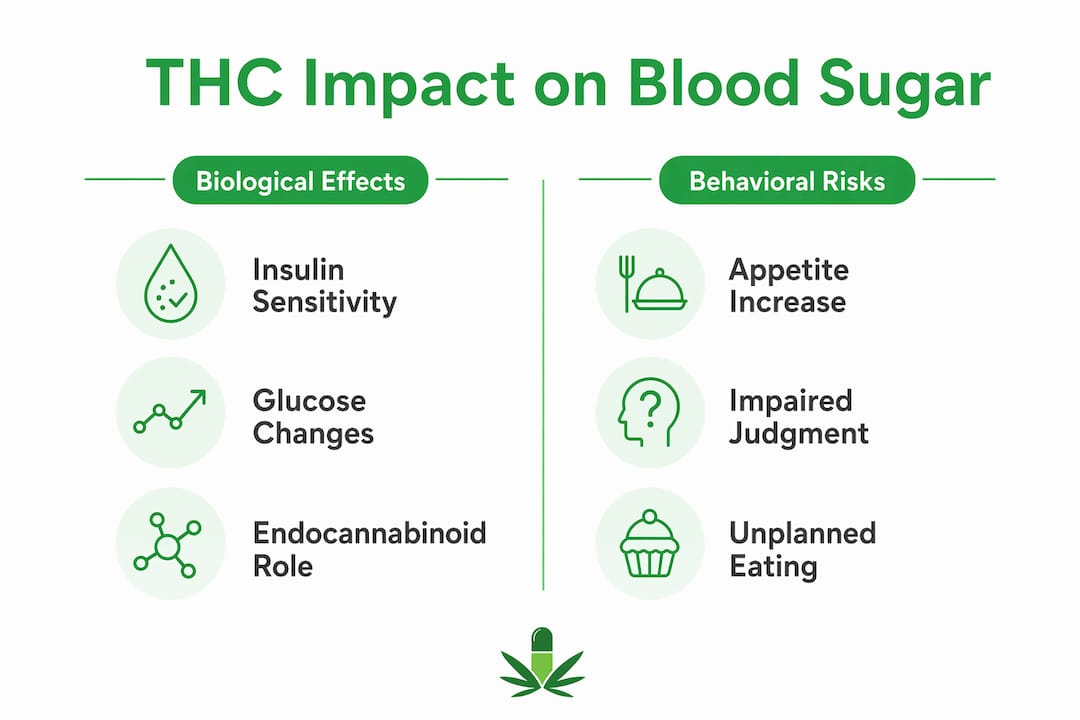
Impaired judgment is the second major behavioral risk. THC affects decision-making and memory in ways that can cause people to miss insulin doses, delay meals, or forget to check their glucose levels. Missed or delayed insulin dosing due to THC’s sedative and judgment-impairing effects poses greater metabolic risk than direct glucose modulation.
Delayed gastric emptying caused by cannabinoids adds another layer of unpredictability. When digestion slows, glucose from a meal enters the bloodstream later than expected. If insulin was dosed based on normal digestion timing, the mismatch can cause an initial low followed by a delayed spike.
Common behavioral effects and their blood sugar impact:
- Appetite surge (“the munchies”): Drives high-carb intake, causing glucose spikes without adjusted insulin.
- Impaired judgment: Leads to missed doses, skipped glucose checks, and poor food choices.
- Delayed gastric emptying: Shifts the timing of glucose absorption, making insulin dosing unreliable.
- Sedation: Reduces motivation to monitor blood sugar or respond to alerts.
- Altered time perception: Can cause patients to misjudge how long it has been since their last dose or meal.
Pro Tip: Prepare portioned, lower-carb snacks before using cannabis. Having them ready reduces the chance of an unplanned carb binge when appetite hits.
Are there specific risks for people with diabetes or hypoglycemia using THC?
People with type 1 diabetes face the most documented risks. Cannabis users with type 1 diabetes have about twice the risk of diabetic ketoacidosis (DKA) compared to non-users, linked to higher HbA1c levels and poorer self-management scores. DKA is a serious, potentially life-threatening condition. That elevated risk alone warrants a direct conversation with your endocrinologist before using cannabis.
Insulin sensitivity is not stable when THC is in the picture. Variability in insulin sensitivity from THC exposure demands careful dose adjustment and medical consultation. What worked as your standard insulin dose on a non-use day may be too much or too little on a use day.
Phantom hypoglycemia is a lesser-known but clinically significant concern. Phantom lows cause hypoglycemia-like symptoms including shakiness and dizziness despite normal blood glucose readings. THC can mimic the physical sensations of low blood sugar, which may lead patients to consume fast-acting glucose they do not actually need. That unnecessary treatment then causes a real spike.
| Factor | Risk for diabetic patients | Risk for hypoglycemia patients |
|---|---|---|
| Phantom lows | Moderate (may over-treat) | High (symptoms overlap significantly) |
| DKA risk | High (doubled in T1D users) | Low (not applicable) |
| Insulin dosing errors | High (impaired judgment) | Moderate |
| Delayed gastric emptying | High (disrupts carb timing) | Moderate |
| Behavioral binge eating | High (drives glucose spikes) | Moderate |
Frequent glucose monitoring is the most reliable safeguard. A CGM provides real-time data that cuts through the confusion of phantom symptoms. Always have fast-acting glucose treatments, such as glucose tablets or juice, within reach. Having a trusted person nearby who knows your condition is also a practical safety measure, not an overreaction.
How should you safely incorporate cannabis when managing blood sugar?
Safe cannabis use with blood sugar concerns requires preparation, not avoidance by default. The goal is to reduce variables and stay informed about what your body is doing.
Consulting your diabetes care team is the non-negotiable first step. Endocrinologists recommend that patients discuss insulin dosing adjustments before starting cannabis use because insulin sensitivity factors may shift in ways that make standard dosing unreliable. Your provider can help you build a monitoring plan specific to your situation.
Product choice also matters significantly. Marijuana products vary in THC dosage and carbohydrate content, especially edibles. Licensed Virginia dispensaries label servings clearly, which gives you a reliable starting point. Unlicensed sources do not, and that uncertainty makes glucose management much harder. Understanding cannabinoid differences can also help you choose products with a clearer metabolic profile.
Steps for safer cannabis use when managing blood sugar:
- Talk to your care team first. Discuss your current insulin regimen and ask specifically about adjustments for cannabis use days.
- Check your glucose before using. Establish a baseline reading so you can interpret any changes accurately.
- Choose inhalation or sublingual methods over edibles when possible. Onset is faster and more predictable, which makes glucose management easier.
- Prepare snacks in advance. Stock lower-carb options like nuts, cheese, or vegetables to satisfy appetite without a glucose spike.
- Monitor frequently during and after use. Check every 30–60 minutes for the first few sessions to understand your personal response.
- Never use cannabis alone if you have a history of severe hypoglycemia. Have someone nearby who can respond if needed.
- Keep a log. Record THC product, dose, method, and glucose readings together. Patterns will emerge within a few weeks.
Key Takeaways
THC’s effects on blood sugar are real but unpredictable, and behavioral risks from cannabis use pose a greater threat to glucose control than direct physiological effects.
| Point | Details |
|---|---|
| THC effects are inconsistent | Blood sugar may rise, fall, or stay the same depending on the individual and method of use. |
| Behavioral risks dominate | Missed doses, binge eating, and impaired judgment cause more glucose instability than THC’s direct metabolic effects. |
| T1D patients face higher DKA risk | Cannabis use in type 1 diabetes is linked to roughly double the risk of diabetic ketoacidosis. |
| Phantom lows require objective monitoring | THC can mimic hypoglycemia symptoms; always confirm with a CGM or glucose meter before treating. |
| Consult your care team first | Insulin sensitivity shifts with THC use, making professional guidance on dosing adjustments necessary. |
What I’ve learned about THC and blood sugar after years of watching patients navigate this
The conversation around cannabis and blood sugar has a persistent problem: people expect a clean answer. Either THC lowers blood sugar and is helpful, or it raises it and is harmful. The reality is messier, and that messiness is actually the most important thing to communicate.
What I find most underappreciated is the phantom low phenomenon. Patients feel shaky, anxious, and sweaty, check their glucose, and see a normal number. They treat anyway because the sensation is convincing. That unnecessary glucose correction then causes a real spike. The cycle is disorienting and avoidable with proper monitoring.
I also want to be direct about the CBD versus THC distinction. Most perceived metabolic benefits are tied to CBD rather than THC. Patients who read about cannabis improving insulin sensitivity are often reading about CBD research, not THC research. Those are different compounds with different mechanisms. Conflating them leads to false expectations.
The patients I have seen manage this best are the ones who treat cannabis like any other variable in their diabetes management. They log it, they monitor around it, and they talk to their care team about it. That approach is not complicated. It is just disciplined. For anyone in Virginia considering medical cannabis for a qualifying condition, the path forward starts with getting properly certified and building a plan with your provider, not with anecdotal claims from online forums.
— Jonathan
Medical cannabis certification in Virginia for patients with complex health needs
If you are managing diabetes, hypoglycemia, or another qualifying condition and want to explore medical cannabis as part of your care plan, getting certified is the right first step.
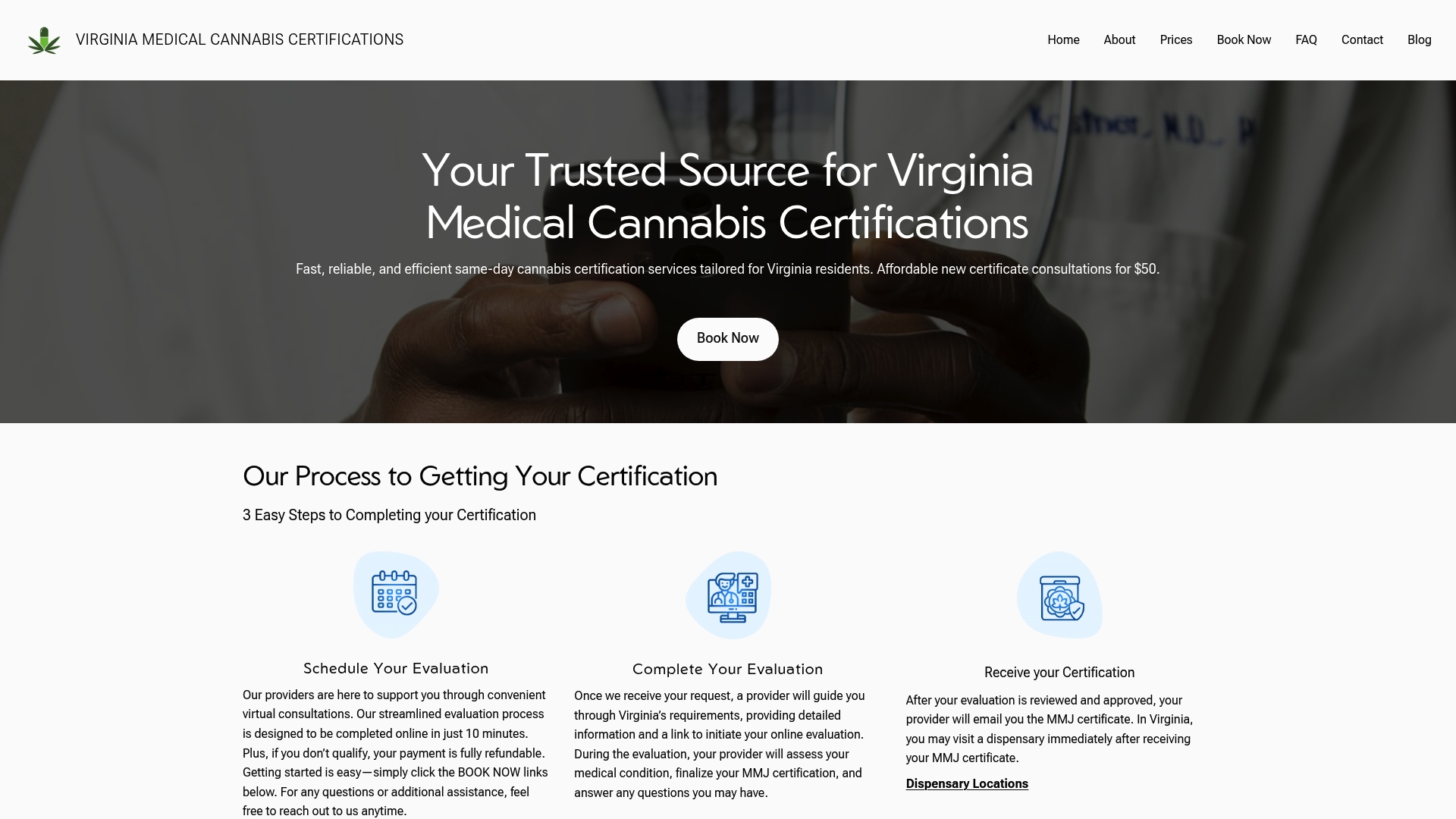
Virginia Medical Cannabis Certifications offers same-day online certifications for $50, completed in about 10 minutes from your phone or computer. The process is straightforward, and the fee is fully refundable if you do not qualify. Certified patients gain access to licensed Virginia dispensaries where products are clearly labeled for THC content and serving size, which is exactly the kind of transparency you need when managing blood sugar. You can review the full certification process and approval criteria before you start. Getting certified puts you in a position to have an informed conversation with your care team about how cannabis fits into your health plan.
FAQ
Can THC directly cause hypoglycemia?
THC does not reliably cause true hypoglycemia on its own. It can trigger phantom hypoglycemia symptoms like shakiness and dizziness even when blood glucose is normal, which makes objective monitoring with a CGM or glucose meter necessary.
Does THC affect insulin sensitivity?
THC can alter insulin sensitivity, but the direction and size of the effect vary by individual, dose, and frequency of use. Patients should consult their endocrinologist before adjusting insulin doses around cannabis use.
Is cannabis safer for type 2 diabetes than type 1?
The documented risks are higher for type 1 diabetes patients, who face roughly double the risk of diabetic ketoacidosis with cannabis use. Type 2 patients still face behavioral risks like binge eating and missed medications.
Are edibles riskier than inhaled cannabis for blood sugar?
Edibles carry higher blood sugar risk because their glucose content adds directly to carbohydrate load, and their delayed onset makes it harder to time insulin correctly. Licensed Virginia dispensaries label edible servings, which reduces but does not eliminate that risk.
Does CBD affect blood sugar differently than THC?
Most evidence linking cannabis to metabolic benefits points to CBD rather than THC. CBD has anti-inflammatory properties and a different receptor profile, while THC’s direct metabolic effects on blood glucose remain inconsistent and unproven in clinical settings.
Recommended
- Weed for TMJ: Relief, Research, and Real Results – Virginia Medical Cannabis Certifications
- CBC vs CBG: Key Differences and Benefits Explained – Virginia Medical Cannabis Certifications
- Prices – Virginia Medical Cannabis Certifications
- Top 4 Best Edibles for Parkinson’s Providers 2026 – Virginia Medical Cannabis Certifications