Start with a low dose of THC, and if you’re especially sensitive to cannabis, take a smaller microdose instead. Then wait at least two hours before you even think about taking more.
That two-hour rule matters more than almost anything else in this edible dosing guide. Edibles take longer to hit than smoking or vaping because THC has to travel through your digestive system and liver before it reaches your bloodstream, and your liver converts it into a compound called 11-hydroxy-THC that can feel noticeably stronger. Redosing before that process finishes is the single most common reason people end up having a rough night.
Here’s the timing you need to know: onset typically runs 30 to 120 minutes, effects peak around 2 to 4 hours in, and the whole experience can last 4 to 8 hours or longer. Higher doses carry real risk for a first-timer.
- Set a timer the moment you eat the edible. Don’t rely on memory.
- Don’t drive or operate machinery for the entire duration window.
- Don’t take more just because you “don’t feel anything” at the one-hour mark.
Key Takeaways
Safe edible dosing comes down to three things: starting at 2.5 to 5 mg, waiting a full two hours before redosing, and adjusting only after multiple consistent sessions.
| Point | Details |
|---|---|
| Start small | Begin with 2.5 to 5 mg THC, or 1 to 2.5 mg if you’re sensitive or new to cannabis entirely. |
| Respect the two-hour rule | Wait a minimum of two hours before considering another dose, since peak effects hit around 2 to 4 hours. |
| Build your dose slowly | Repeat the same dose across two separate sessions before increasing by only 2.5 mg. |
| Choose precise formats | Capsules and unit-dosed gummies offer more consistent dosing than baked goods or homemade edibles. |
| Know your risk factors | Liver metabolism into 11-hydroxy-THC, food, medications, and individual biology all change how a dose feels. |
Table of Contents
- Edible Dosing Chart: Milligrams and What to Expect
- How Do You Find Your Ideal Edible Dose?
- How Long Do Edible Effects Take to Kick In?
- Why Does the Same Dose Feel Different Every Time?
- Which Edible Formats Give You the Most Precise Dose?
- What Should You Do If You Take Too Much?
- Your First-Time Edible Dosing Checklist
- Why Medical Access Matters for Safe Dosing
- Do Beginners, Older Adults, and Medically Complex Patients Dose Differently?
- Can Edibles Interact With Medications or Alcohol?
- What Are the Legal Rules Around Edible Dosing?
- Getting Certified for Safer, More Consistent Access
- An Editorial Take on Beginner Edible Dosing
- Frequently Asked Questions
- Sources
Edible Dosing Chart: Milligrams and What to Expect
Every THC edible you’ll encounter falls somewhere on a scale from barely noticeable to genuinely overwhelming, and the difference between those two experiences is often just a few milligrams. This dosing chart gives you a realistic sense of what each range tends to feel like, though individual response varies based on the factors covered later in this guide.
| THC Dose | Typical Effects | Best Suited For |
|---|---|---|
| Low microdoses | Subtle mood lift, mild relaxation, minimal impairment | Highly sensitive users, microdosers, older adults |
| Low doses | Noticeable relaxation, mild euphoria, light body effects | First-time users, cautious beginners |
| Moderate doses | Clear high, stronger relaxation, possible appetite increase | Beginners with some tolerance, moderate users |
| Higher doses | Strong intoxication, significant impairment, possible anxiety | Experienced users only |
| Very high doses | Intense, disorienting effects; high risk of discomfort | Not recommended for beginners |
| Extremely high doses | Severe intoxication; risk of panic, nausea, or medical concern | Advised against without clinical guidance |
Labels trip people up constantly, and it’s not because they’re careless. It’s because packaging habits vary wildly across products. A single gummy might list “5 mg per piece,” while a jar of infused honey might list “100 mg per container” with no serving breakdown at all. Baked goods are worse. A pan of brownies cut into twelve uneven pieces means twelve different actual doses, even if the label says otherwise.
Pro Tip: Always check whether a label says “per serving” or “per package.” If it only lists a total, do the math yourself before you take a bite, and round down when you’re unsure.
- Read the label twice: once for total mg, once for mg per serving.
- If a product isn’t clearly labeled, treat it as an unknown dose and start smaller than you think you need.
- Remember that oral THC bioavailability is naturally low and inconsistent, so two “5 mg” products can still feel different from each other.
How Do You Find Your Ideal Edible Dose?
Finding your personal dose isn’t a one-night experiment. It’s a process that plays out over several separate sessions, and rushing it is exactly how people end up uncomfortable.
- Session one: Pick a dose in the 2.5 to 5 mg range, or 1 to 2.5 mg if you know you’re sensitive. Set a two-hour timer. Write down when effects start, how strong they feel, and how long they last.
- Session two: Take the exact same dose again on a different day. This confirms your response is consistent rather than a one-off fluke, which matters because bioavailability swings enough that one session can mislead you.
- Only after two consistent sessions, consider raising your dose by 2.5 mg. Never double a dose, and never adjust mid-session just because you’re impatient.
A simple log makes this whole process faster. Track the product name, mg amount, whether you ate beforehand, onset time, peak intensity, total duration, and any side effects.
- Keep the log on your phone or a notebook you actually use.
- Note the brand and batch if the product is lab-tested. Consistency between batches isn’t guaranteed.
- Review your log before every new session instead of relying on memory.
How Long Do Edible Effects Take to Kick In?
Edibles run on a much slower and longer timeline than smoking, and misjudging that timeline is where most overconsumption stories start. Onset generally falls between 30 and 120 minutes, peak intensity lands around the 2 to 4 hour mark, and total duration commonly runs 4 to 8 hours or more. The two-hour wait before redosing exists specifically because effects are still climbing during that window for most people.
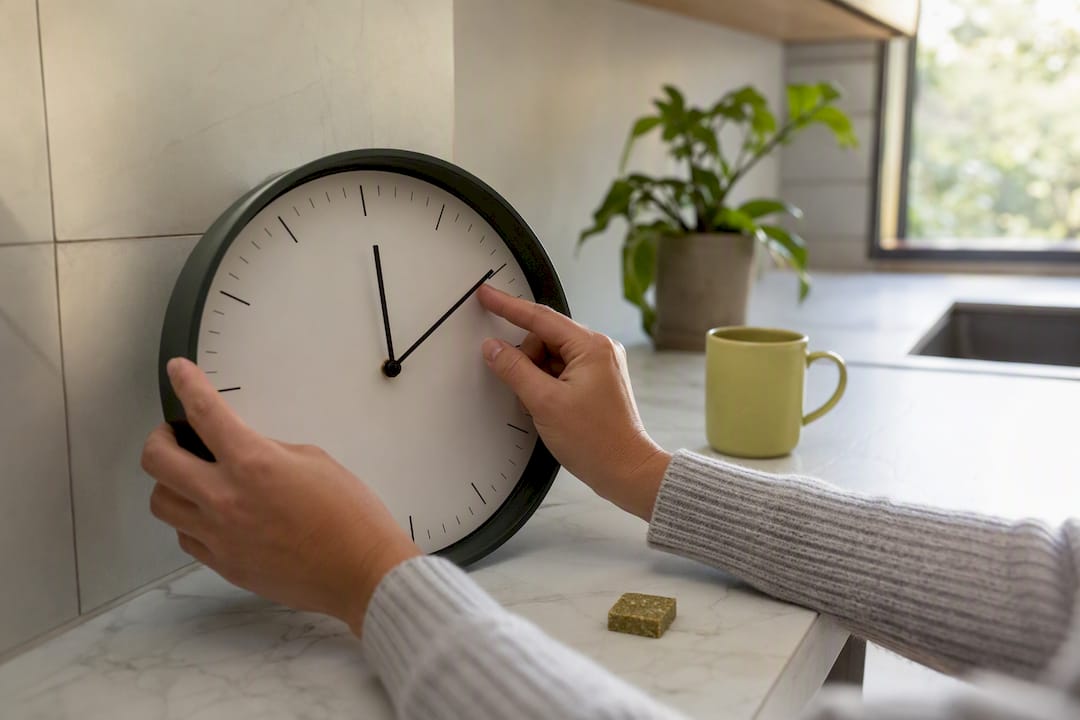
Food changes this timeline. A high-fat meal eaten shortly before or with an edible can delay onset further but may also intensify peak effects, since THC is fat-soluble and absorbs differently alongside dietary fat. An empty stomach tends to speed things up, sometimes unpredictably.
Some formats break this pattern. Fast-acting beverages, dissolvable powders, and sublingual tinctures can act closer to 15 to 45 minutes, which changes how you should apply the waiting rule, since redosing math shifts when onset is faster.
- Avoid driving, swimming, or operating equipment for the entire duration window, not just the peak.
- Plan sessions for evenings or days with no responsibilities afterward.
Why Does the Same Dose Feel Different Every Time?
Two people can eat identical 5 mg gummies and have completely different nights, and that’s not random. Your liver converts oral THC into 11-hydroxy-THC, a metabolite that behaves differently in the body and often produces stronger, longer-lasting effects than the THC you’d get from smoking or vaping the same amount.
Individual biology plays a large role too. Metabolism speed, body weight, age, sex, and genetic variation in liver enzymes all shift how quickly and how intensely you process an edible. None of these factors are things you can control, but they’re worth knowing so you don’t blame the product when your friend’s identical dose hits differently.
Tolerance is trickier than people assume. Smoking regularly does not build meaningful tolerance to edibles, since the two routes metabolize differently in the body. Someone who smokes daily can still be caught off guard by a modest edible dose.
- Eating a heavy meal beforehand, drinking alcohol, or taking medications that affect liver enzymes (CYP pathways) can all intensify or unpredictably alter effects.
- Mood and environment matter more with edibles than with smoking, since the slower onset gives anxious thoughts more time to build.
Pro Tip: If you take prescription medications, ask your doctor or pharmacist about CYP450 interactions before your first edible session. Grapefruit juice interacts with the same liver pathway, which gives you a sense of how real this effect can be.
Which Edible Formats Give You the Most Precise Dose?
Not all edibles are created with the same precision, and the format you choose can matter as much as the milligram number on the label. Capsules typically deliver the most consistent per-dose THC of any common edible format, followed closely by individually wrapped, unit-dosed gummies and mints. Baked goods and homemade edibles sit at the opposite end, since THC rarely distributes evenly through batter or dough.
- Choose capsules or single-dose gummies when precision matters most, especially during your first few sessions.
- If you divide a multi-serving edible yourself, know that cutting is an estimate, not a guarantee. THC concentration isn’t always evenly spread.
- Buy from licensed dispensaries and check for lab-tested labels. This won’t eliminate variance, but it meaningfully reduces the odds of a surprise.
What Should You Do If You Take Too Much?
Overconsumption feels awful, but it’s rarely medically dangerous on its own. That said, some symptoms warrant real medical attention. Chest pain, severe or repeated vomiting, fainting, or an inability to stay conscious mean it’s time to call emergency services rather than wait it out.
For milder overconsumption, panic, racing heart, or intense anxiety, a few calm steps go a long way. Public-health guidance and state harm-reduction resources consistently point to the same basics: move somewhere quiet and safe, sip water, and have a sober friend stay with you until it passes. Some people find that a dose of CBD helps blunt the intensity of a THC overconsumption episode, though evidence here is mostly anecdotal. Keep the product packaging nearby so you or a helper can reference the exact dose if you need to describe the situation to a medical provider.
- Store edibles in childproof containers, away from anywhere kids or pets could reach them.
- Never mix edibles with alcohol or sedatives. Combining depressants compounds risk in ways that are hard to predict.
- Keep original packaging until the product is finished, so dosing information is always on hand.
Pro Tip: Write the mg dose directly on any container you transfer edibles into. A sticky note takes ten seconds and prevents a guessing game later.
Your First-Time Edible Dosing Checklist
Print this, save it, or send it to a friend before their first session.
- Before you start: Choose a quiet, comfortable setting. Don’t be alone if you tend toward anxiety. Have water and your phone within reach.
- Take your dose: Select 2.5 to 5 mg (or 1 to 2.5 mg if sensitive) and set a two-hour timer immediately.
- During the wait: Don’t take more, regardless of how you feel at the 30 or 60 minute mark. Record onset time if you can.
- After the session: Log the product, dose, food eaten beforehand, onset, peak, total duration, and any side effects.
- Before your next session: Only raise your dose by 2.5 mg, and only after two consistent sessions at your current level.
- Never increase your dose within a single session, even if two hours have passed and effects feel light.
- Treat every new product as a fresh unknown, even if the label matches something you’ve tried before.
Why Medical Access Matters for Safe Dosing
Getting accurate dosing guidance often starts with legitimate medical access, not guesswork. Virginia Medical Cannabis Certifications offers same-day virtual evaluations, completed online in about 10 minutes, for a flat $50 fee, with a refund if you’re not approved.
- Covers a wide range of qualifying conditions, including chronic pain, anxiety, and PTSD.
- If you’re managing a specific condition, related safety guides on gastritis or migraines and edibles are worth reading first.
- Complex health situations or medication interactions deserve a conversation with a licensed clinician, not a forum post.
Do Beginners, Older Adults, and Medically Complex Patients Dose Differently?
Age and health status change the math on edible dosing more than most beginners realize. Older adults often process medications more slowly due to reduced liver and kidney function, which means a “standard” 5 mg dose can hit harder and longer than it would for a younger adult. Starting at the very bottom of the microdose range, 1 to 2.5 mg, is a reasonable default for anyone over 65 trying edibles for the first time.
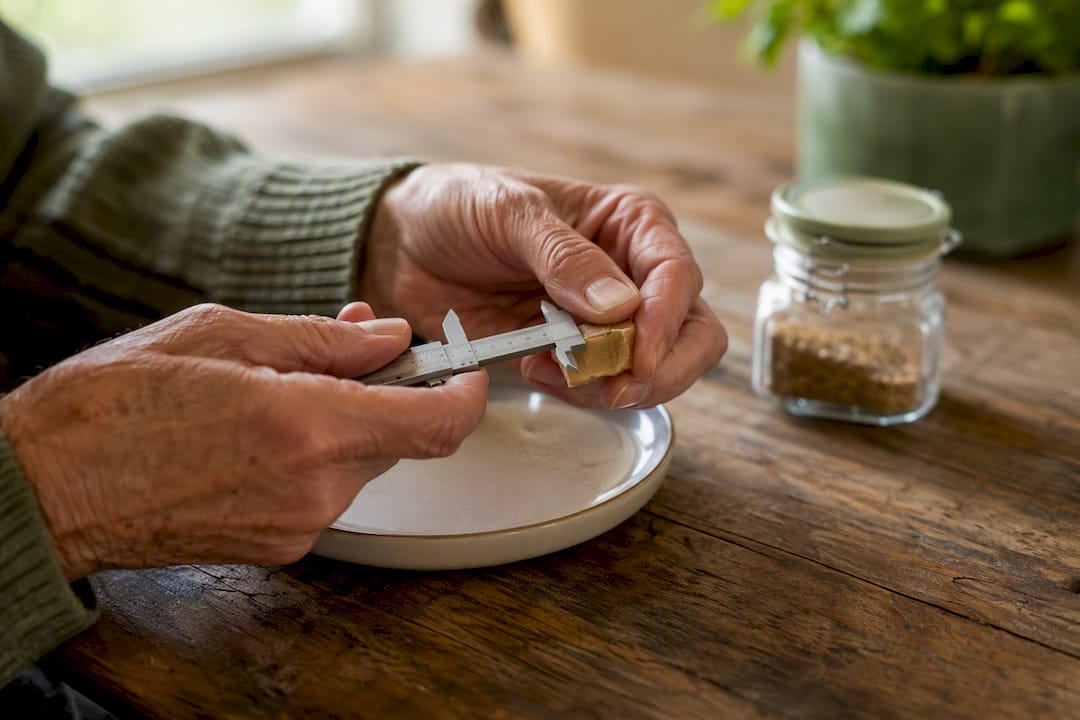
People managing chronic conditions face a different set of variables. Someone with a history of anxiety disorders may find that even a small dose amplifies racing thoughts rather than easing them, since THC’s effects on anxiety are dose-dependent and can flip from calming to agitating as amounts increase. Patients with cardiovascular conditions should be especially cautious, since THC can raise heart rate temporarily, and that effect compounds with any existing strain on the heart.
Pregnant or breastfeeding individuals should avoid THC edibles entirely. There is no dose considered safe during pregnancy given THC’s ability to cross the placenta and appear in breast milk.
If you’re on multiple medications, have a diagnosed liver condition, or manage a chronic illness, a quick conversation with your prescribing doctor before your first edible session is worth far more than any dosing chart. Absorption and metabolism aren’t uniform across the population, and a guide like this one can only give you a starting point, not a personal guarantee.
Can Edibles Interact With Medications or Alcohol?
Yes, and the interactions aren’t always obvious. THC is processed by the same liver enzyme system, the cytochrome P450 (CYP) pathway, that metabolizes a long list of common medications, including certain blood thinners, antidepressants, and anti-seizure drugs. When THC competes for the same enzymes, it can slow the breakdown of those medications, effectively increasing their concentration in your bloodstream without you doing anything differently.
Alcohol is the interaction people underestimate most. Mixing edibles with alcohol doesn’t just add two separate effects together. It can speed up THC absorption and intensify impairment in a way that catches people off guard, since both substances are depressants that compound each other’s effects on coordination and judgment. Sedatives and sleep medications carry a similar risk profile.
If you’re scheduled for a medical procedure, cannabis use, including edibles, is something your care team needs to know about beforehand, since it can affect anesthesia planning and dosing. Don’t assume it’s irrelevant just because the procedure feels unrelated to cannabis.
The safest approach is straightforward even if it’s not exciting: if you take any prescription medication regularly, ask your pharmacist about THC interactions before your first edible, not after you’ve already started titrating your dose.
What Are the Legal Rules Around Edible Dosing?
Edible dosing rules vary significantly depending on where you live and whether your cannabis access is medical or recreational, and this is one area where assuming a national standard will mislead you. States regulate maximum THC per serving and per package differently, and some states cap single servings at levels well below what medical patients in other states can legally purchase.
Medical cannabis programs typically allow patients certified for qualifying conditions to purchase higher-potency products or larger quantities than what’s available to recreational buyers in the same state. That’s part of why legitimate medical certification matters beyond just legal access. It often changes what dosing options are actually on the shelf for you.
Packaging and labeling laws also differ by state, though most regulated markets now require child-resistant packaging and clear per-serving mg disclosures, reflecting the same harm-reduction priorities that public-health guidance emphasizes nationally. Buying from licensed, regulated dispensaries rather than unregulated sources is one of the few dosing decisions with a clear legal and safety upside in every state that has them.
If you’re navigating a state’s specific certification process and cost structure, it’s worth reviewing what a medical certification actually costs before assuming recreational access covers your needs.
Getting Certified for Safer, More Consistent Access
Precise edible dosing gets a lot easier once you have legitimate medical access to lab-tested, clearly labeled products, and that access starts with proper certification. Virginia Medical Cannabis Certifications handles the entire clinical evaluation online in about 10 minutes, with same-day results and a flat $50 fee for new patients ($40 for renewals). If you’re not approved, the fee is fully refunded, so there’s no financial risk in finding out whether you qualify.
The certification covers a broad range of qualifying conditions, from chronic pain to anxiety to PTSD, and gives you the kind of dispensary access that makes lab-tested, accurately labeled products the norm rather than the exception. Get started with a same-day evaluation and take the guesswork out of where your edibles come from.
An Editorial Take on Beginner Edible Dosing
Most edible dosing advice online treats “start low, go slow” as the whole answer, and that’s where it falls short. The phrase is true but useless without the specifics: how low, how slow, and what to actually track along the way. A beginner told to “start low” with no mg reference will just as easily grab a 10 mg gummie because it’s what’s on the shelf, not because anyone told them 10 mg skips past the beginner range entirely for a first try.
What gets overlooked most is the two-session rule. Nearly every guide mentions “start low, go slow,” but almost none explain that a single session tells you very little, since bioavailability swings widely enough that one strong or weak reaction could be a fluke rather than your baseline. Confirming a dose twice before adjusting is the difference between a genuine personal dosing chart and a guess dressed up as data.
If there’s one thing worth prioritizing above all the pharmacology, it’s this: buy from a licensed source with lab-tested labeling. Precision starts on the shelf, not in your titration log.
Frequently Asked Questions
What is a good starter dose for edibles?
Most beginners should start between 2.5 and 5 mg of THC. If you’re especially sensitive to cannabis or have low tolerance, drop to 1 to 2.5 mg for your first try.
How many mg of edibles should a total beginner take?
2.5 mg is a reasonable floor for most adults trying edibles for the first time, with 5 mg as the upper end of a cautious starting range.
Are capsules better than edibles for dosing accuracy?
Capsules generally offer more consistent per-dose THC delivery than many traditional edibles, especially compared with homemade or baked products.
How long should you wait before taking more of an edible?
Wait a minimum of two hours. Effects often take up to two hours to peak, so redosing sooner risks stacking a second dose on top of one that hasn’t fully kicked in yet.
Why do edibles feel stronger than smoking the same amount of THC?
Your liver converts oral THC into 11-hydroxy-THC, a metabolite that tends to produce stronger, longer-lasting effects than the THC absorbed through smoking or vaping.
This article is general information, not a substitute for advice from a qualified doctor. Consult a qualified healthcare professional about your own circumstances before acting on anything here.
Sources
Recommended
- Best Low Dose Edibles for Beginners and Microdosers – Virginia Medical Cannabis Certifications
- Can Edibles Cause Migraines? What You Need to Know – Virginia Medical Cannabis Certifications
- Edibles and Urinary Retention: What You Need to Know – Virginia Medical Cannabis Certifications
- Can You Eat Edibles With an Ulcer? Safe Use Guide – Virginia Medical Cannabis Certifications