Medical cannabis for PTSD is defined as the therapeutic use of cannabinoids, primarily THC and CBD, to reduce nightmares, improve sleep quality, and manage hyperarousal symptoms in patients diagnosed with post-traumatic stress disorder. Virginia recognizes PTSD as a qualifying condition for a medical cannabis card, placing it alongside chronic pain and anxiety as conditions where cannabis therapy may offer real relief. The clinical picture is nuanced. Research shows patient-reported benefits are consistent, but high-quality randomized controlled trial evidence remains limited. This guide covers what the science actually says, how dosing works, what risks to watch for, and how to combine cannabis with conventional PTSD treatment.
What does current research say about medical cannabis for PTSD?
The evidence base for cannabis treatment for PTSD is growing but still incomplete. A 2026 scoping review of 26 studies involving 3,598 patients found insufficient RCT evidence to support cannabinoids as a primary PTSD treatment. Seven randomized controlled trials were included, and most showed no statistically significant difference compared to placebo.
That finding does not mean cannabis is ineffective. It means the studies conducted so far have been too small, too short, or too methodologically limited to produce definitive conclusions. One notable trial enrolled 80 military veterans in a double-blind randomized crossover design testing smoked cannabis. All groups improved, including the placebo group, which makes isolating cannabis’s specific contribution difficult.
Observational data tells a different story. Patients consistently report reduced nightmares, lower hyperarousal, and better sleep quality when using cannabis. These reports come with caveats: self-selection bias, lack of control groups, and subjective measurement. Still, the pattern is consistent enough that researchers take it seriously.
One clinical bright spot is nabilone, a synthetic THC analog. A randomized placebo-controlled crossover trial among Canadian veterans showed nabilone significantly reduced PTSD-related nightmares. That result supports the biological plausibility of THC targeting the nightmare cycle specifically.
Pro Tip: Ask your certifying physician specifically about nabilone if nightmares are your primary symptom. It has the strongest clinical trial support of any cannabinoid-based intervention for PTSD.
There is also a neurobiological rationale for why cannabis affects PTSD symptoms at all. PTSD patients show lower CB1 receptor availability in the brain, which disrupts fear processing and emotional regulation. Cannabinoids interact directly with this system, which explains why patients report relief even when trials struggle to confirm it statistically.
How are THC and CBD used in PTSD treatment?
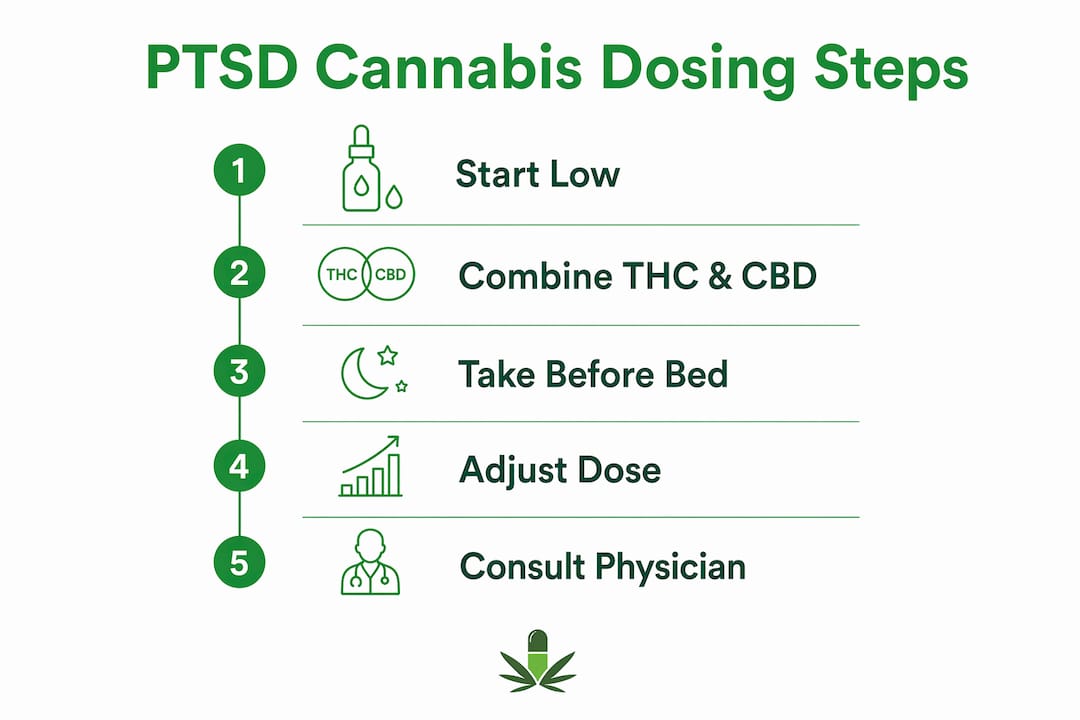
THC and CBD address different parts of the PTSD symptom cycle. THC primarily targets REM sleep modulation to suppress nightmares. CBD reduces daytime anxiety and hyperarousal. Combining both addresses the full symptom cycle more effectively than either cannabinoid alone.
Dosing protocols that work
Standard starting protocols recommend 5mg THC paired with 5mg CBD taken before bedtime to address sleep disturbances. Daytime CBD dosing typically runs 25–50mg to manage hyperarousal without the psychoactive effects of THC. These are starting points, not fixed targets. Every patient responds differently, and titration upward should be slow and deliberate.
Delivery methods and onset time
The delivery method matters as much as the dose. For acute panic or intrusive symptoms, sublingual tinctures and vaporized cannabis offer fast onset. Edibles, including gummies, take 60–120 minutes to take effect. That delay makes edibles better suited for scheduled nighttime dosing rather than managing sudden symptom spikes. If you are exploring the best edibles for PTSD, look for products with consistent THC:CBD ratios and clear dosing labels.
Indica vs. sativa for PTSD
The question of whether indica or sativa is better for PTSD is common, but the distinction is less clinically meaningful than cannabinoid and terpene content. Indica-dominant strains tend to have higher myrcene content, which promotes sedation and may help with sleep. Sativa-dominant strains often contain more limonene and pinene, which can increase alertness and may worsen anxiety in some PTSD patients. Terpene profiles like myrcene and linalool modulate calming effects beyond cannabinoid content alone. Focus on terpene and cannabinoid data rather than the indica/sativa label.
Key practical guidelines for PTSD patients using cannabis:
- Start with a balanced THC:CBD ratio (1:1) and increase THC only if tolerated
- Avoid high-THC products without CBD pairing, especially early in treatment
- Use sublingual tinctures or vaporized forms for fast-acting symptom relief
- Reserve edibles and gummies for scheduled bedtime dosing
- Take tolerance breaks periodically to prevent dependence and maintain effectiveness
- Track symptoms in a journal to identify which products and doses produce the best results
Pro Tip: Terpene profiles vary significantly between products with identical THC percentages. Ask your dispensary for a full terpene panel, not just cannabinoid percentages, when selecting a product for sleep.
What are the risks and side effects of cannabis for PTSD?
Cannabis carries real risks for PTSD patients, and they deserve honest discussion. High THC without CBD can worsen anxiety, trigger paranoia, and increase hypervigilance. These are the exact symptoms PTSD patients are trying to reduce. Starting with unbalanced, high-potency products is one of the most common mistakes new patients make.
PTSD patients also face an elevated risk of cannabis use disorder compared to the general population. The same neurobiological vulnerabilities that make cannabis feel helpful can make it habit-forming. Physician supervision is not optional. It is the safeguard that keeps therapeutic use from sliding into dependence.
Chronic nightly THC use creates a specific long-term risk. REM sleep suppression from regular THC use disrupts the emotional processing that happens during dreaming. Short-term, this reduces nightmares. Long-term, it may interfere with trauma recovery. Sleep medicine specialists recommend time-limited use with planned tapering rather than indefinite nightly dosing.
Drug interactions also require attention. Common PTSD medications including SSRIs, prazosin, and benzodiazepines can interact with cannabinoids. Cannabis may amplify sedative effects or alter how these medications are metabolized. Always disclose your full medication list to the physician conducting your PTSD evaluation for a medical card.
Key risks to discuss with your physician before starting:
- Anxiety and paranoia from high-THC products
- Elevated risk of cannabis use disorder in PTSD patients
- REM sleep disruption with chronic nightly THC use
- Drug interactions with SSRIs, prazosin, and sedatives
- Potential for increased hypervigilance at higher doses
How to integrate cannabis with conventional PTSD therapies
Cannabis works best as an adjunct to therapy, not a replacement for it. Medical cannabis is not a substitute for trauma-focused psychotherapy. What it can do is reduce the symptom burden enough that patients can engage more fully in treatments like Cognitive Processing Therapy or Prolonged Exposure.
Here is a practical integration framework:
- Start with a medical evaluation. Get a formal PTSD evaluation for your medical card before purchasing any cannabis products. A certifying physician will review your diagnosis, current medications, and symptom profile to guide your cannabis recommendation for PTSD.
- Coordinate with your mental health provider. Your therapist and certifying physician should know about each other. Dosing decisions should account for your therapy schedule and progress.
- Use cannabis to reduce barriers, not avoid them. If nightmares are preventing you from sleeping enough to attend therapy, cannabis may help restore that baseline. That is a legitimate therapeutic goal.
- Plan for tapering. As trauma processing progresses in therapy, your need for cannabis-based symptom management should decrease. Build a tapering plan into your treatment from the start.
- Monitor and adjust. Track sleep quality, nightmare frequency, and daytime anxiety weekly. Share this data with your physician at follow-up appointments.
Professional guidelines consistently recommend further rigorous studies before formally endorsing cannabinoids for PTSD. That caution is appropriate. It does not mean cannabis has no role. It means the role should be defined carefully, with a physician, within a broader treatment plan.
Key Takeaways
Medical cannabis reduces specific PTSD symptoms most effectively when THC and CBD are combined, dosed carefully, and used alongside trauma-focused therapy rather than as a standalone treatment.
| Point | Details |
|---|---|
| Research is promising but limited | Seven RCTs showed mostly no significant difference vs. placebo; observational data consistently shows patient benefit. |
| THC targets nightmares, CBD targets daytime anxiety | Combining both cannabinoids addresses the full PTSD symptom cycle more effectively than either alone. |
| Start low with balanced ratios | Begin at 5mg THC plus 5mg CBD at bedtime; daytime CBD dosing runs 25–50mg for hyperarousal. |
| High THC alone increases risk | Unbalanced, high-THC products can worsen anxiety, paranoia, and hypervigilance in PTSD patients. |
| Cannabis supports therapy, not replaces it | Symptom reduction from cannabis should improve your ability to engage in trauma-focused psychotherapy. |
Why I think most people approach cannabis for PTSD backwards
After years of reviewing how patients use cannabis for trauma-related conditions, the pattern I see most often is this: people reach for cannabis first and therapy second. That sequence produces the worst outcomes.
Cannabis is genuinely useful for PTSD. The nightmare reduction is real. The sleep improvement is real. But those benefits are most meaningful when they create space for actual trauma processing, not when they become a way to avoid it. The patients who do best are the ones who treat cannabis as a tool for getting to therapy, not a reason to skip it.
The indica vs. sativa debate also distracts people from what actually matters. Terpene content and cannabinoid ratios predict outcomes far better than strain category. A well-labeled, consistent product with a 1:1 THC:CBD ratio will outperform a mystery “indica” every time.
The other thing I would push back on is the idea that because evidence is limited, cannabis is not worth trying. Limited evidence is not the same as negative evidence. For patients who have not responded well to SSRIs or who cannot tolerate prazosin, a carefully supervised cannabis trial is a reasonable next step. The key word is supervised. Getting a proper medical cannabis certification before purchasing anything is not a bureaucratic hurdle. It is the step that keeps the whole process safe and legal.
— Jonathan
Getting certified for medical cannabis in Virginia
Virginia residents with a PTSD diagnosis can access legal medical cannabis through a straightforward certification process.
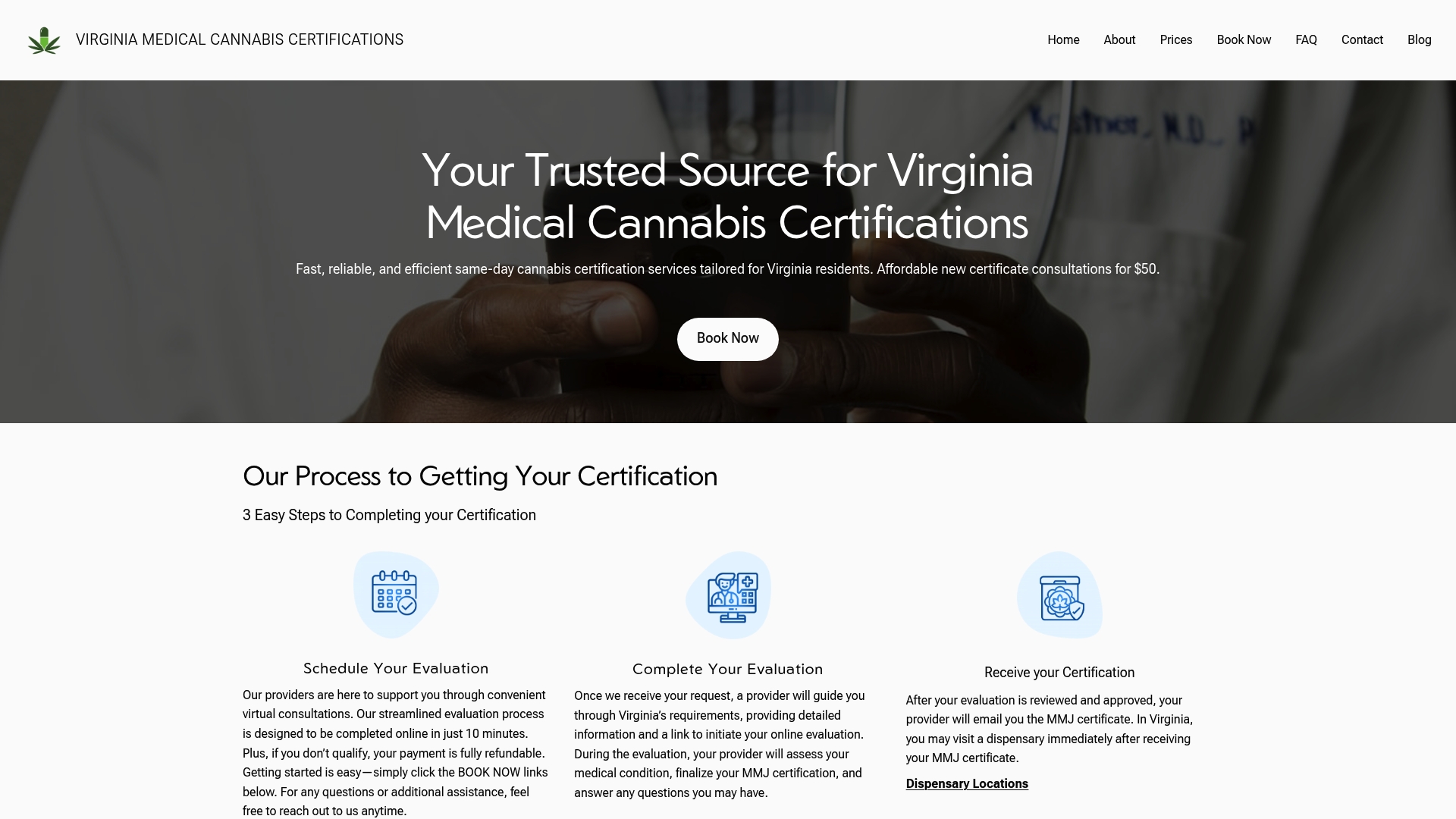
Virginia Medical Cannabis Certifications offers same-day online consultations for $50, completed in about 10 minutes. PTSD is a recognized qualifying condition under Virginia’s medical cannabis program. If you do not qualify, the fee is fully refunded. The process connects you with a licensed physician who reviews your diagnosis, current medications, and symptom history to provide a proper cannabis recommendation for PTSD. You get legal access to dispensary products with known cannabinoid and terpene profiles, which is a significant safety upgrade over unregulated sources. Start your certification today and get a same-day decision.
FAQ
Is PTSD a qualifying condition for a medical card in Virginia?
Yes. Virginia recognizes PTSD as a qualifying condition for a medical cannabis card. A licensed physician must certify your diagnosis through a formal evaluation.
What is the best cannabis product type for PTSD nightmares?
Sublingual tinctures or low-dose edibles with a balanced THC:CBD ratio are most commonly recommended for nighttime use. Nabilone, a synthetic THC analog, has the strongest clinical trial support specifically for PTSD-related nightmares.
Is indica or sativa better for PTSD?
Terpene and cannabinoid content matter more than the indica or sativa label. Myrcene-rich, CBD-balanced products tend to support sleep and reduce anxiety better than high-THC sativa-dominant strains.
What are the best gummies for PTSD?
The best gummies for PTSD have a clearly labeled 1:1 THC:CBD ratio, consistent dosing per piece, and a terpene profile that includes myrcene or linalool. Purchase from a licensed Virginia dispensary to verify cannabinoid content.
Can I use cannabis alongside my current PTSD medications?
Cannabis can interact with SSRIs, prazosin, and sedatives commonly prescribed for PTSD. Always disclose your full medication list to the physician conducting your PTSD evaluation before starting any cannabis regimen.
Recommended
- Weed for TMJ: Relief, Research, and Real Results – Virginia Medical Cannabis Certifications
- Top 4 Best Edibles for Parkinson’s Providers 2026 – Virginia Medical Cannabis Certifications
- Sativa Headache Relief: What You Need to Know – Virginia Medical Cannabis Certifications
- Top 6 Providers for Best Strains for Emphysema 2026 – Virginia Medical Cannabis Certifications